
Hardscaping FAQs: Everything You Need To Know About Hardscaping
Hardscaping FAQs: Everything You Need To Know About Hardscaping
When you start planning outdoor improvements, questions arise quickly. You may be unsure how permanent features fit into your yard, how they work with plantings, or how long they truly hold up in the GTA climate. Many homeowners also worry about disruption, upkeep, and whether changes can be made over time. These concerns often surface before any work begins and can stall decision-making.
Clear answers help you move forward with confidence. This guide addresses hardscaping questions homeowners commonly raise when planning or updating outdoor spaces. Each section focuses on practical information rather than sales language, so you can understand what to expect before moving ahead.
What Is Hardscaping In Residential Landscaping?
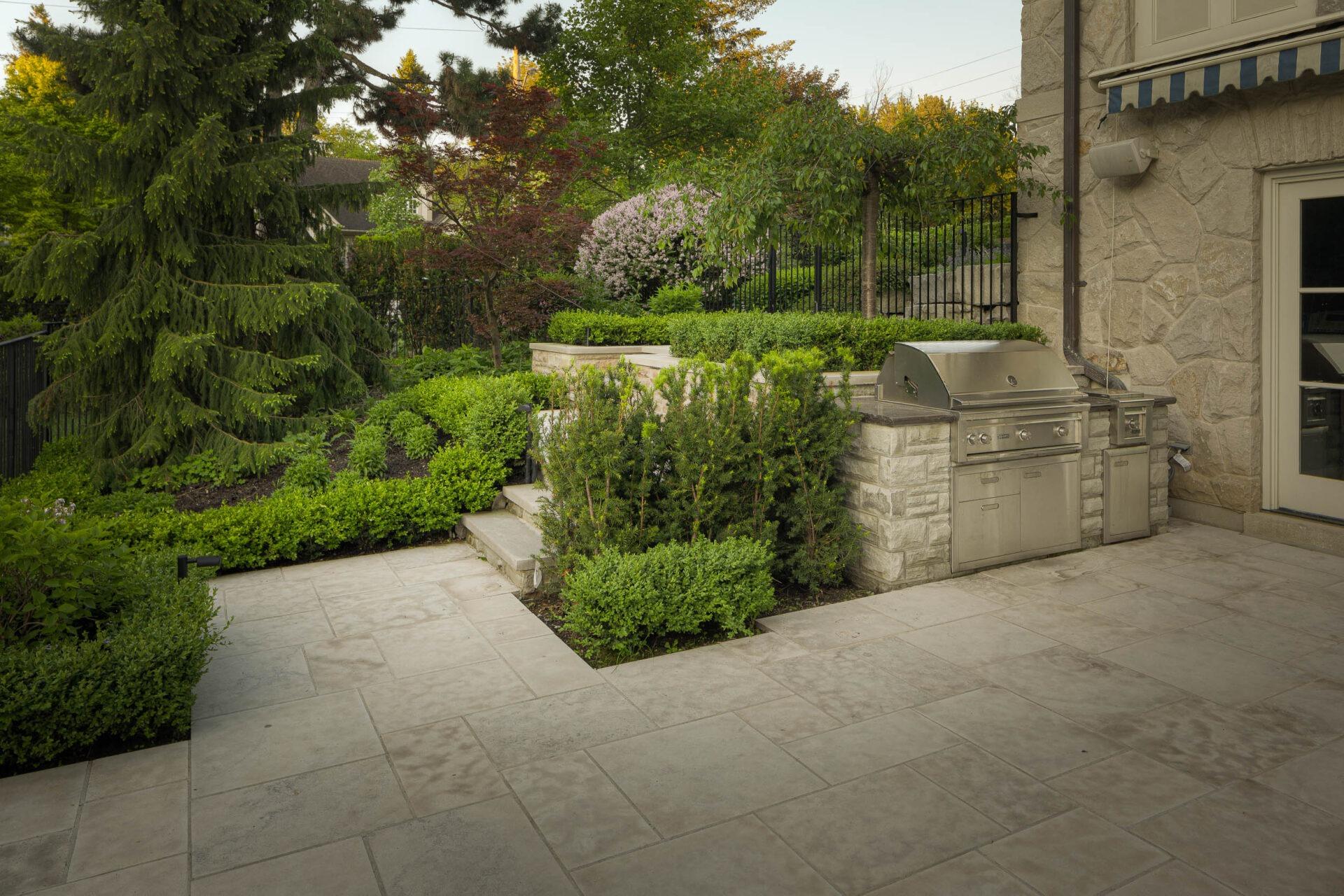
Understanding what hardscaping is in landscaping starts with identifying the permanent elements in your outdoor space. Hardscaping refers to built features made from stone, concrete, brick, or similar materials. These elements provide structure, circulation, and usability within your property. Examples include patios, walkways, retaining walls, steps, and built seating.
For many homeowners, questions about hardscaping arise because these features form the foundation of the landscape. A well-placed patio creates a functional outdoor living space. Walkways guide movement safely across your yard. Walls manage grade changes while bringing order and definition.
Hardscaping works alongside planting areas, lawn space, and trees. When planned properly, it supports drainage, improves access, and defines zones for everyday use. For a more detailed look at how structural elements fit into overall site planning, read our specially created hardscaping guide.
How Does Hardscaping Differ From Soft Landscaping?
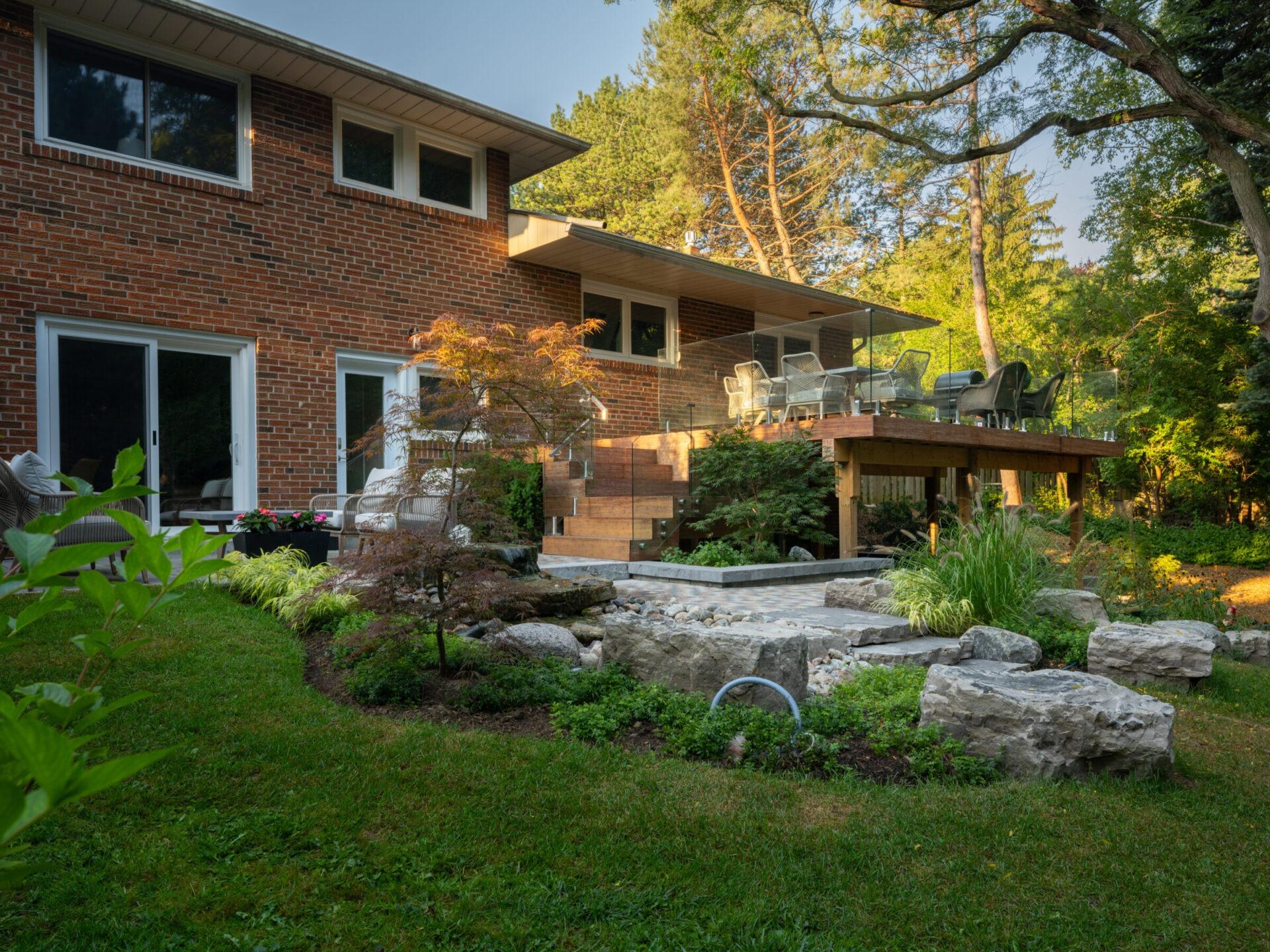
When looking into hardscaping vs landscaping you may find yourself with many residential hardscaping questions about where one ends and the other begins. Hardscaping includes fixed built elements, while soft landscaping refers to plants, soil, turf, and organic materials.
Hard features provide structure and usability year-round. Soft elements add seasonal interest and texture. One does not replace the other. They work together to create balance and comfort.
In the GTA, this balance also supports durability. Structural elements manage moisture and movement while plantings soften edges and adjust with the seasons. Our in-depth hardscaping blog expands on how these elements are planned together.
Which Hardscaping Features Work Best For Backyards?
Backyard issues can raise many homeowner hardscaping questions because they serve multiple purposes. Outdoor dining, entertaining, and quiet relaxation all place different demands on space.
Patios remain one of the most effective features for residential backyards. They provide stable surfaces for furniture and gatherings. Walkways connect doors, gardens, and gates safely. Seating walls offer function without clutter, giving you flexible places to gather.
The best features depend on how you use your yard. Some homeowners prefer open layouts. Others value privacy and enclosure. To explore feature options in more detail, you can visit our residential hardscaping page to see how different solutions support everyday use.
What Materials Are Commonly Used In Residential Hardscaping?
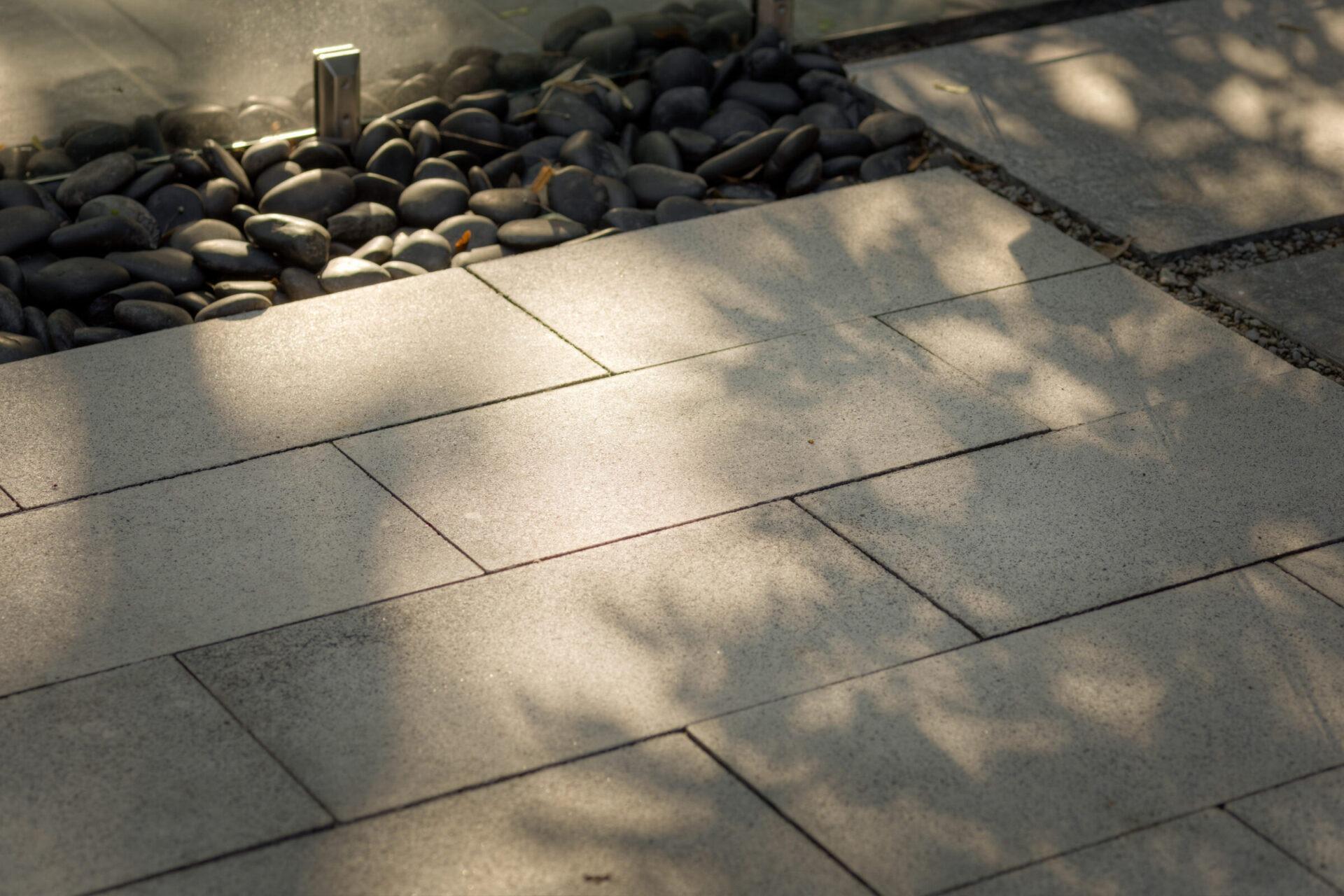
Material selection is one of the most frequent hardscaping-related questions during early planning. The best materials for residential hardscaping balance durability, appearance, and performance in local conditions.
Concrete pavers are widely used for consistency and strength. Natural stone offers variation and a classic look. Poured concrete provides clean lines and simplicity. Each material behaves differently over time.
In the GTA climate, freeze-thaw cycles demand materials that can handle movement and moisture. Proper installation matters as much as material choice. Our hardscaping materials overview provides additional context around performance and longevity.
How Long Do Professionally Installed Hardscapes Last?
Homeowners often ask how long hardscaping lasts when weighing outdoor improvements. This is one of the most common hardscaping planning questions.
Professionally installed hardscape can last decades when built with proper base preparation and drainage. Pavers and stone features are designed to handle weather exposure and foot traffic. Longevity depends on material quality, site conditions, and ongoing care.
This is why attention beneath the surface matters. A strong foundation supports long-term performance. This hardscaping guide further explains how installation quality influences lifespan.
Why Is Base Preparation Important For Hardscaping?
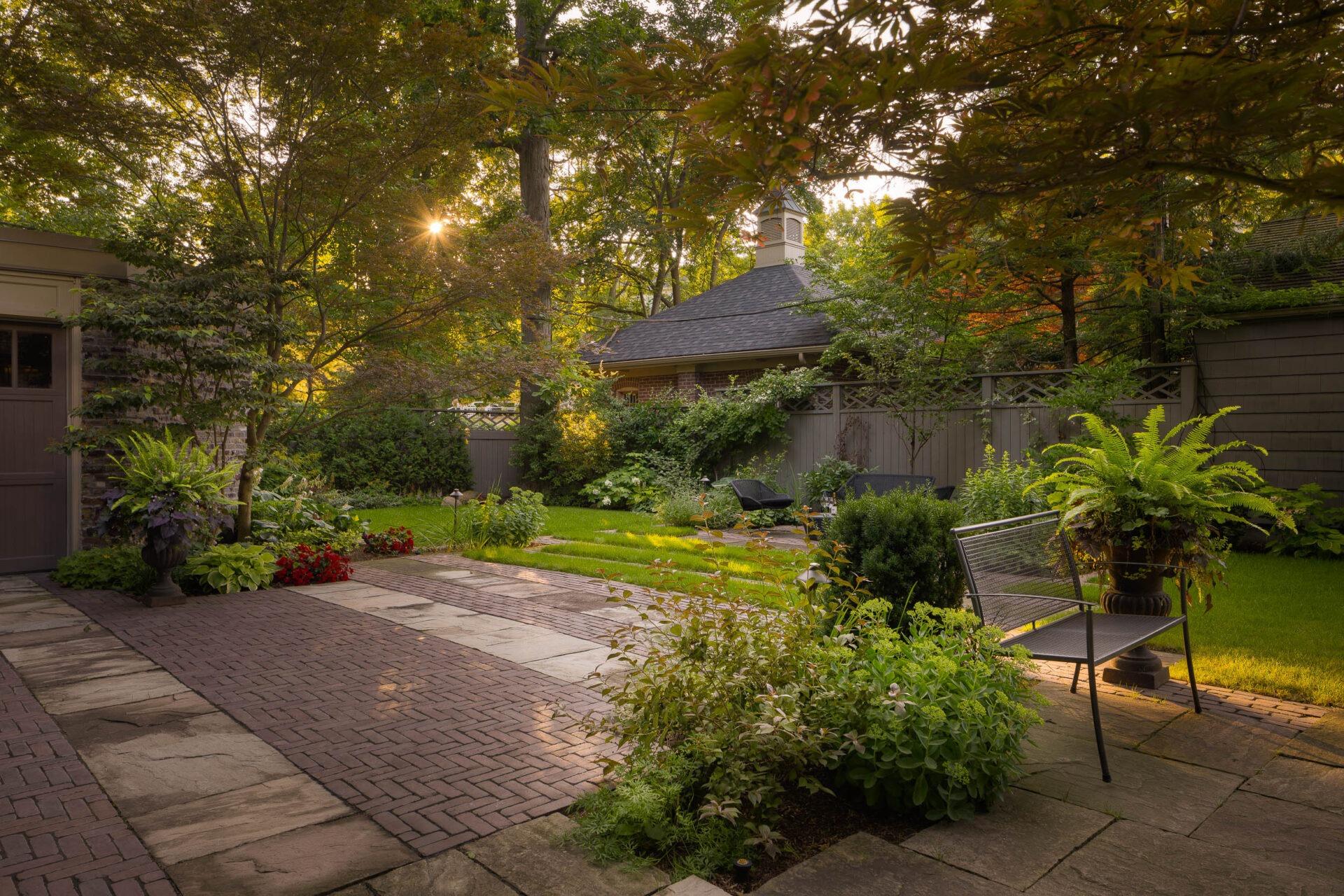
Base preparation answers many outdoor hardscaping questions related to uneven surfaces. The base supports everything above it.
Proper excavation removes unstable soil. A compacted granular base distributes weight evenly and allows water to drain. This process helps prevent movement during freeze-thaw cycles common in Ontario.
Without careful preparation, surfaces may settle or heave. Our hardscaping installation blog walks through this process in more detail.
How Does Drainage Affect Hardscaped Areas?
Drainage is at the root of many questions homeowners ask about hardscaping. Water that cannot move away from surfaces leads to pooling, ice buildup, and long-term wear.
Hardscape areas must direct water away from structures and walkways. Slopes, joint spacing, and base materials all contribute to proper drainage. In some cases, integrated systems manage runoff safely. Irrigation planning also plays a role. Water should support plant health without oversaturating hard surfaces.
Can Hardscaping Be Added To Existing Landscaping?
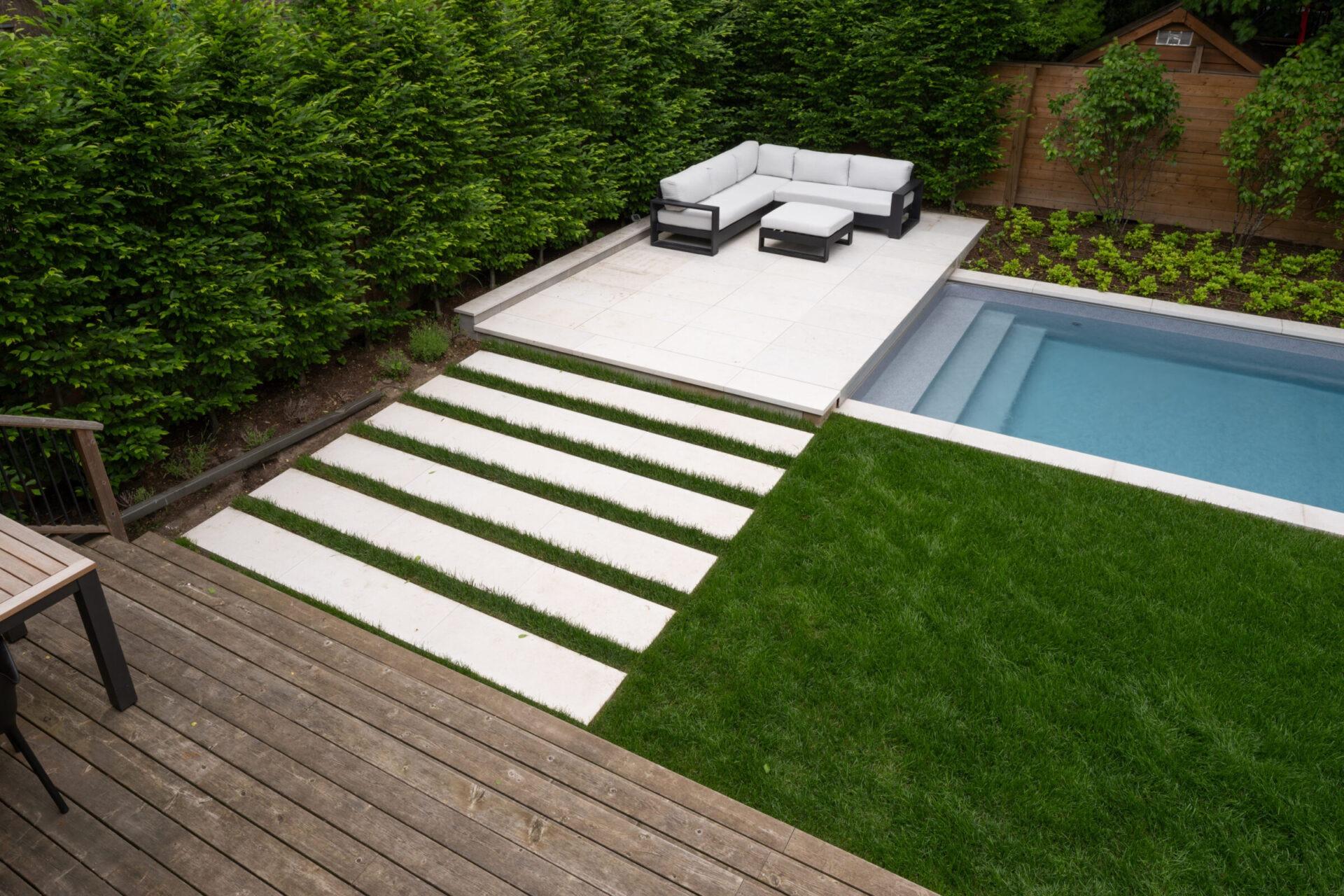
Yes, new features can often be integrated without removing mature plants. Careful planning allows patios or walkways to fit within existing layouts while protecting root zones and soil structure.
Thoughtful sequencing preserves what already works while improving function. For more details, explore this planning-focused hardscaping guide that outlines how additions can be introduced over time.
How Does Material Choice Impact Weeds?
Weed control is a recurring topic in hardscaping planning questions. Material choice plays a larger role than many homeowners expect. Properly installed hard surfaces limit weed growth by reducing gaps and moisture retention. A well-compacted base and joint material discourages seeds from settling.
While no system eliminates weeds entirely, thoughtful design reduces ongoing effort. Understanding hardscape maintenance requirements helps set realistic expectations. For example, when installed correctly, pavers flex slightly with temperature changes rather than cracking. Joint material and edge restraints keep everything aligned.
Concerns usually stem from poor preparation. Our hardscaping surface performance blog explains proper installation techniques in more detail.
How Does Hardscaping Work With Landscape Maintenance Plans?
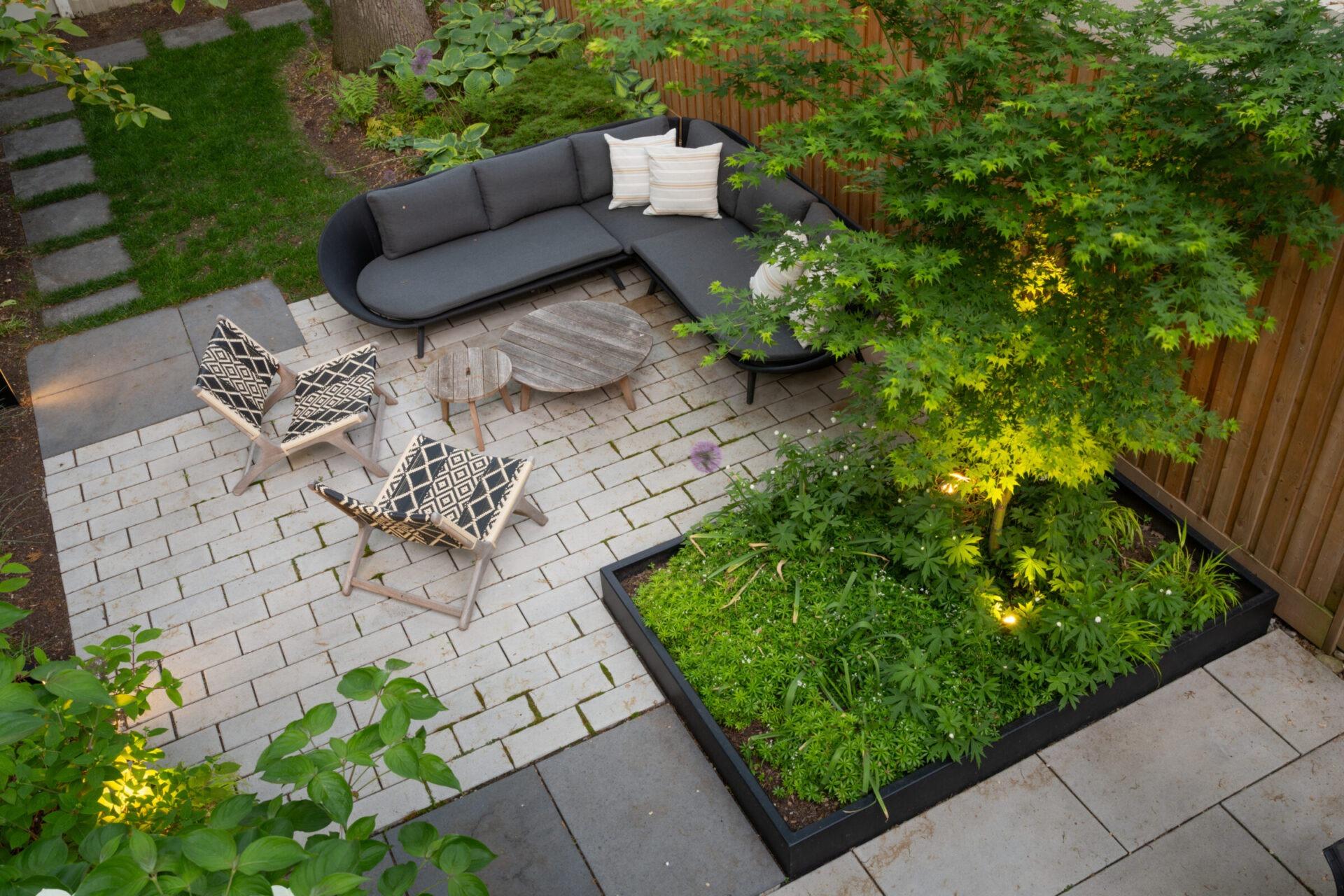
Hard features and maintenance are closely connected. Many hardscaping-related questions focus on long-term care.
Surfaces require periodic cleaning and joint checks. When maintenance plans account for these needs, small issues are addressed early.
Seasonal florals and containers soften hard edges while allowing flexibility. For a deeper analysis, read this maintenance planning blog that outlines how hardscaping fits into long-term landscape care.
What Upkeep Do Patios And Walkways Require Over Time?
Routine upkeep is a common topic in homeowner hardscaping questions. Patios and walkways benefit from simple, regular care.
Sweeping, occasional washing, and seasonal inspections help maintain appearance and safety. Winter care also matters.
Are Hardscapes Suitable For Townhome Properties?
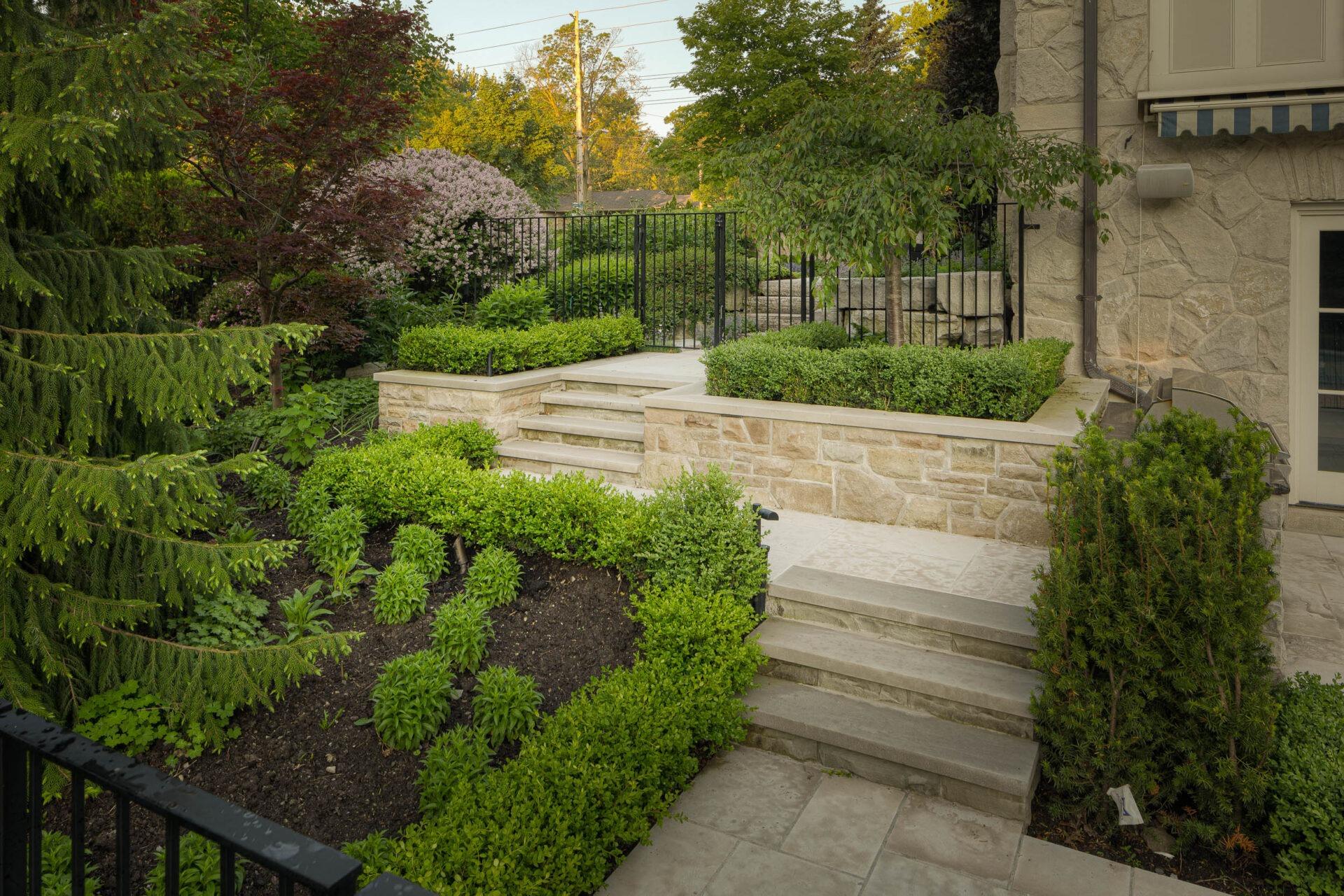
Townhomes and terraces raise outdoor hardscaping questions related to space and load considerations.
Careful planning ensures materials, drainage, and layout work within constraints. Hardscaping for condos, terraces, and flat roofs also requires attention to weight limits, waterproofing protection, and drainage layers to protect the structure below.
Our property-specific hardscaping guide includes examples for shared spaces and elevated outdoor areas.
How Do Enhancements Improve Existing Hardscaping?
Enhancements often focus on softscaping. Many questions about hardscaping relate to refreshing existing features.
Adding native plants, winter-ready shrubs, and evergreens improves year-round interest. Containers allow seasonal flexibility.
Visit our hardscaping enhancement blog to explore these update strategies in more detail.
What Role Does Craftsmanship Play In Long-Term Performance?
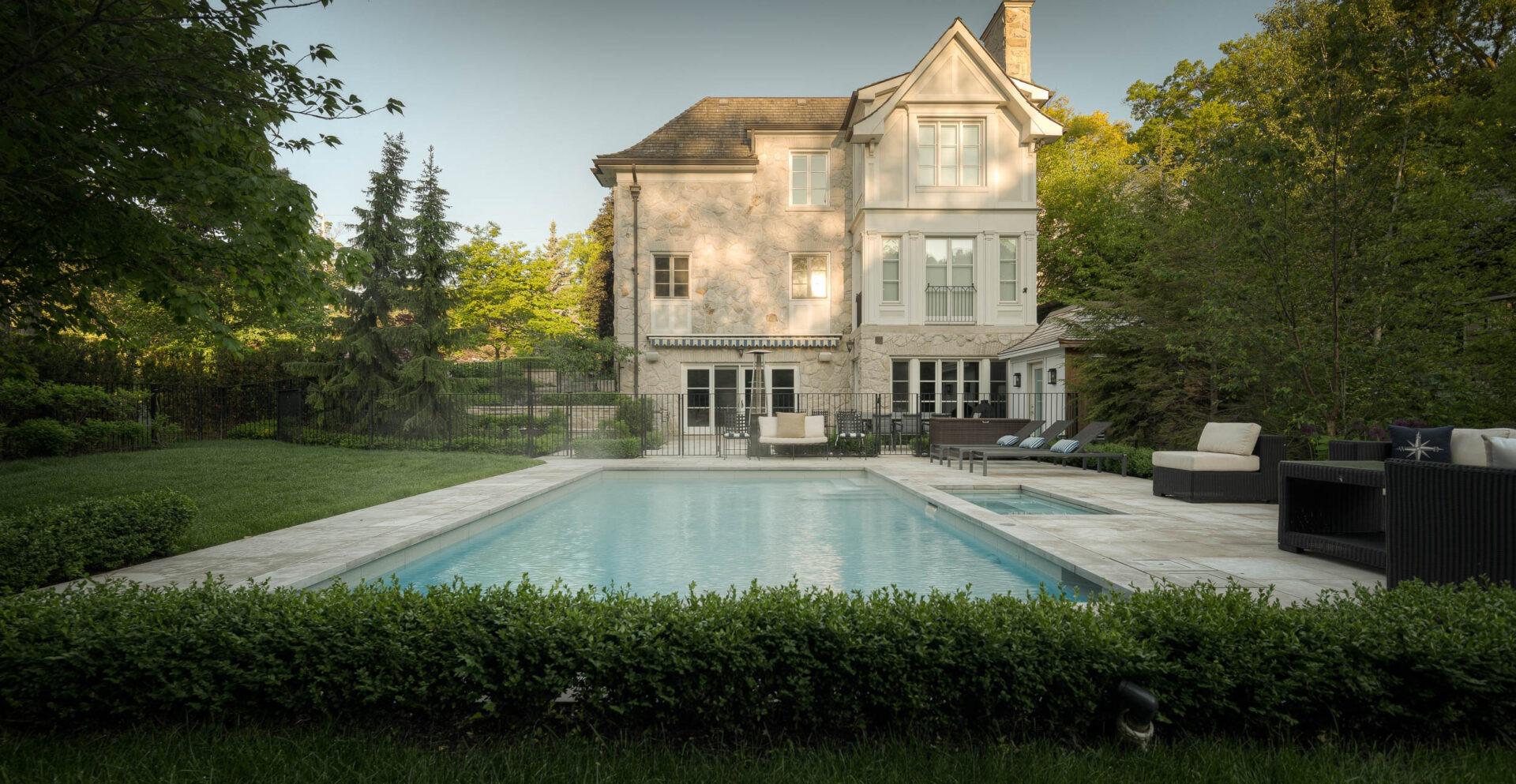
Craftsmanship answers many residential hardscaping questions tied to durability.
Attention to detail during layout and finishing ensures stability and alignment. Skilled crews understand how materials behave in local conditions.
Here is a quality-focused hardscaping resource to help you examine how workmanship affects long-term performance.
How Do Experienced Crews Avoid Common Hardscaping Issues?
Experience helps address recurring hardscaping questions before issues arise.
Proper sequencing, site assessment, and communication prevent delays. Our project planning blog breaks down these processes.
When Should Hardscaping Be Planned As Part Of Site Development?
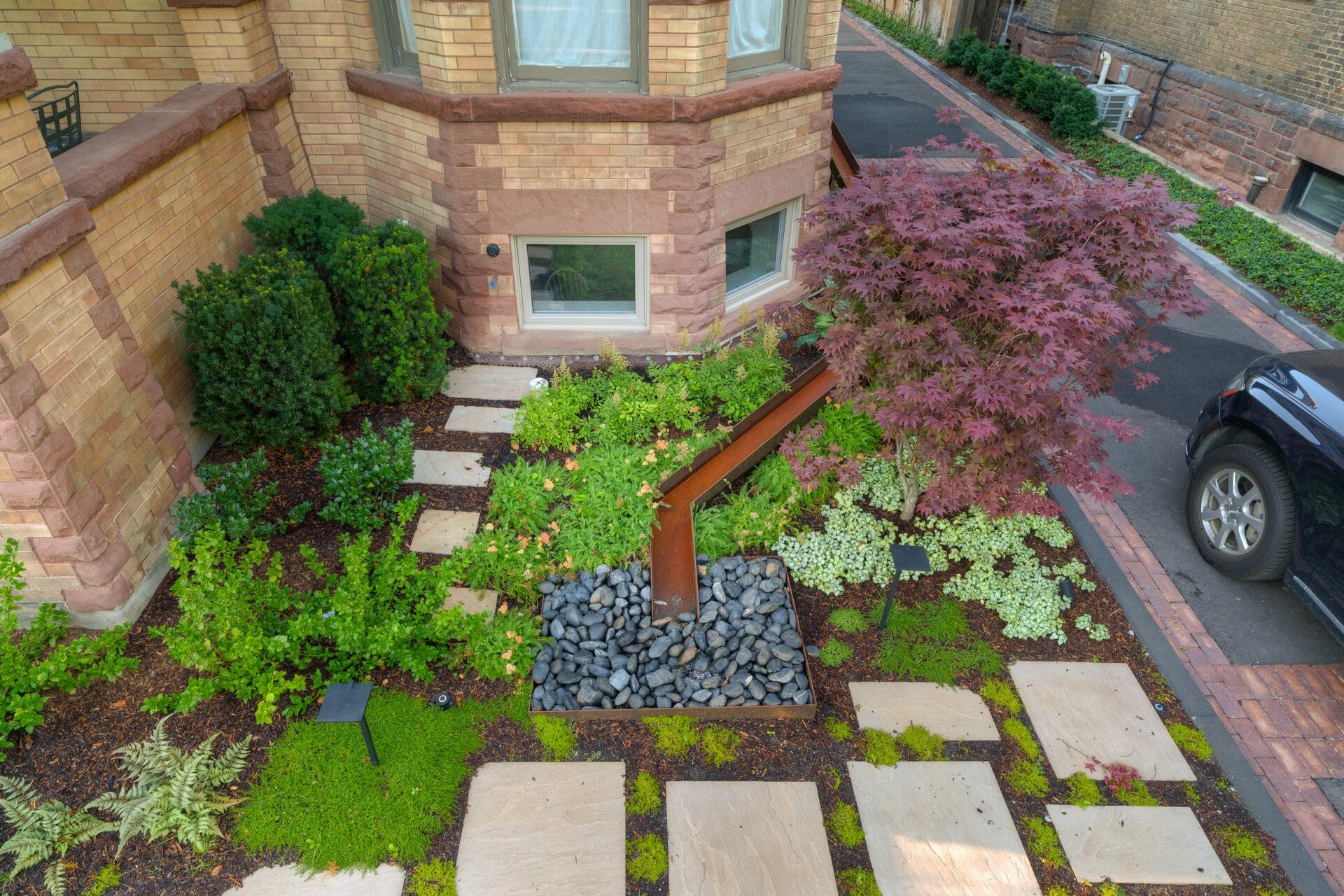
Planning early answers many hardscaping planning questions homeowners face later. Early coordination supports grading, drainage, and layout. This reduces disruption and improves cohesion.
Bringing It All Together For Your Property
Clear answers lead to better decisions. When concerns are addressed early, planning becomes smoother and outcomes more predictable. With experienced guidance and attention to detail, your outdoor space can evolve thoughtfully over time. You gain clarity, realistic expectations, and a process that respects your home, timeline, and long-term use. When you feel ready to take the next step and want guidance tailored to your property, book a consultation.
Summary
This guide answered the most common hardscaping questions homeowners ask when planning outdoor spaces, helping you understand structure, longevity, and integration so you can move forward with confidence.
Tags: