
The Complete Hardscaping Guide for Outdoor Spaces
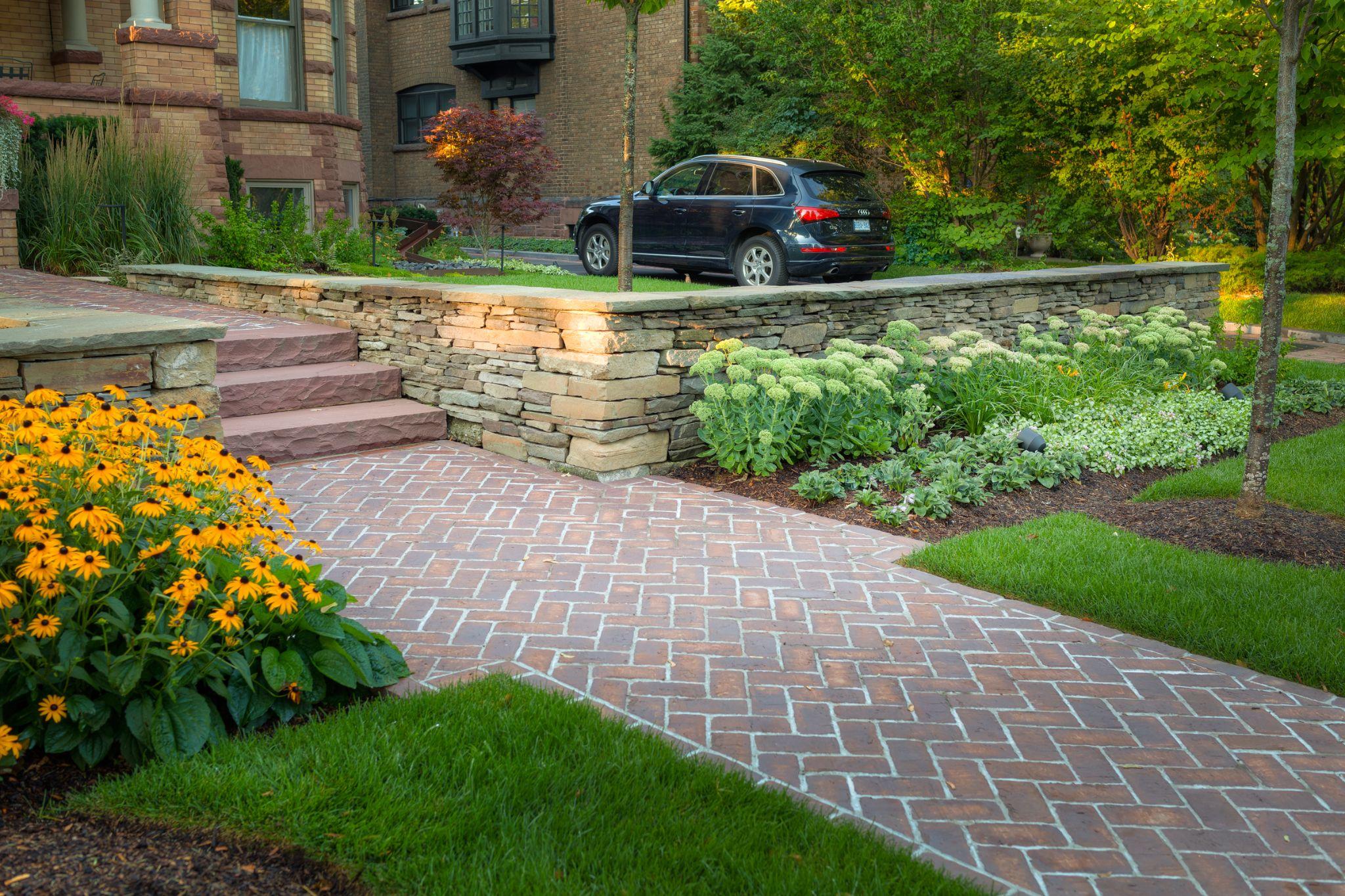
Does your backyard feel dull or fail to meet your daily needs? Without well-designed patios or walkways, an outdoor space can end up underused and inconvenient. You might pour time and money into gardening only to have a yard that still isn’t enjoyable for your family.
Fortunately, there’s a solution. By approaching landscaping with a clear hardscaping guide, you can turn an awkward yard into a beautiful, usable extension of your home.
This complete guide about hardscaping for backyards will answer your questions, from hardscape design ideas for homes and material choices to the installation process and maintenance tips. We’ll even compare pavers vs. natural stone hardscaping so you can make the best decisions. By the end, you’ll have a solid plan to create an inviting outdoor space you can enjoy for years.
What Is Hardscaping in Landscape Design?
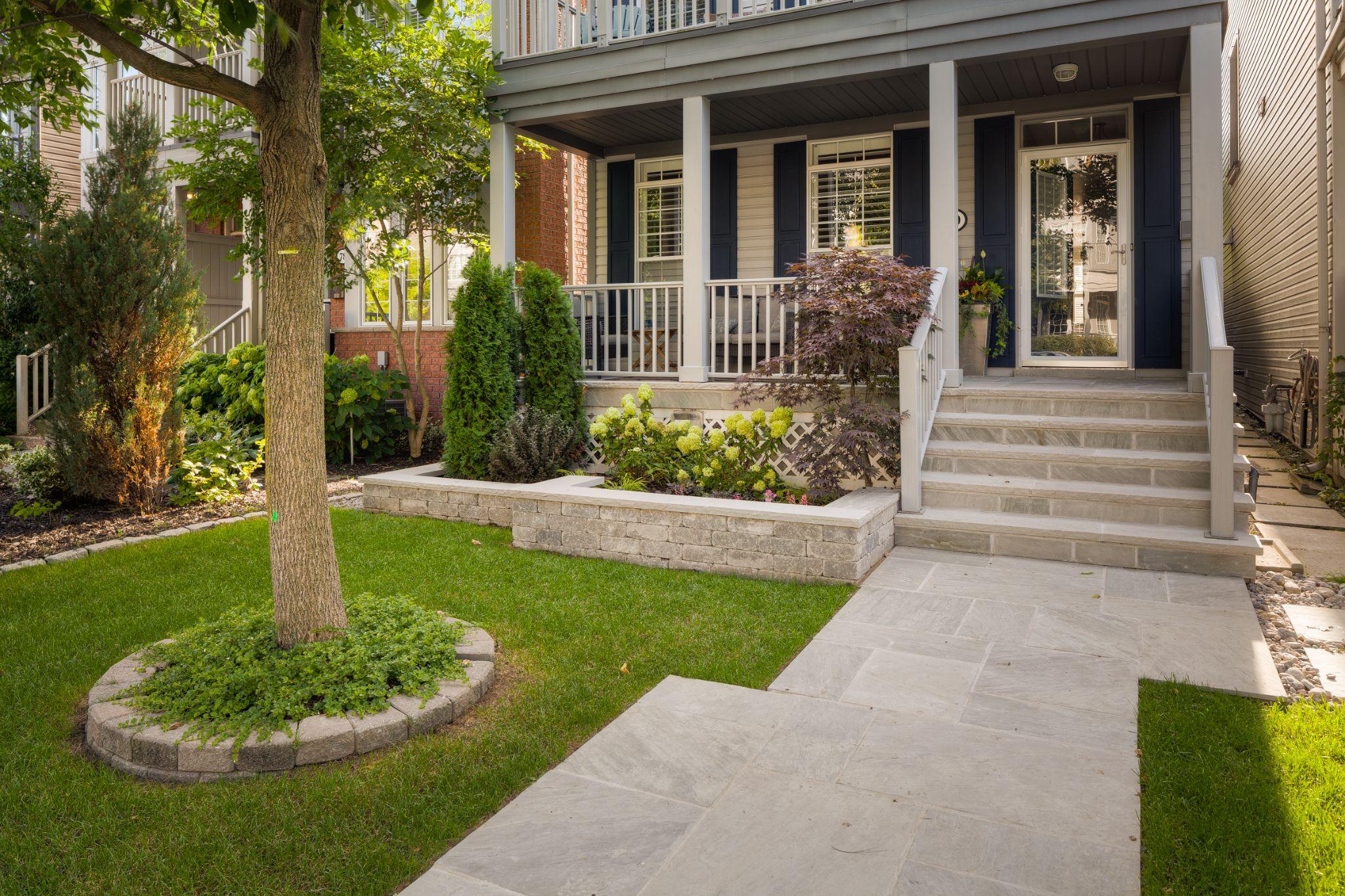
Let’s start with the basics: what is hardscaping? In landscape design, “hardscape” refers to all the non-living elements of your yard. That means the solid features like stone patios, brick walkways, retaining walls, concrete driveways, and wooden decks are all considered hardscaping. These elements complement the “softscape” – the plants, lawn, and garden areas. Think of hardscape as the backbone or framework of your landscape. It creates the form and usability of your yard, while the softscape adds life and colour around it.
For example, a patio provides a flat, firm surface where you can place furniture for outdoor dining. A path of pavers or natural stone guides you from the house to the garden shed without getting your shoes muddy. Even a simple stone edging along your flower beds counts as hardscape, keeping soil and mulch in place and giving your garden a tidy border. When you invest in hardscaping for backyards, you’re essentially building the outdoor “rooms” and pathways that make your yard more functional. Essentially, if it’s part of your yard’s construction and not a plant, it likely falls under hardscape. Knowing this definition sets the stage for the rest of this hardscaping guide, so you can start imagining which elements might enhance your own yard.
How Does Hardscaping Support Everyday Use of Your Outdoor Space?
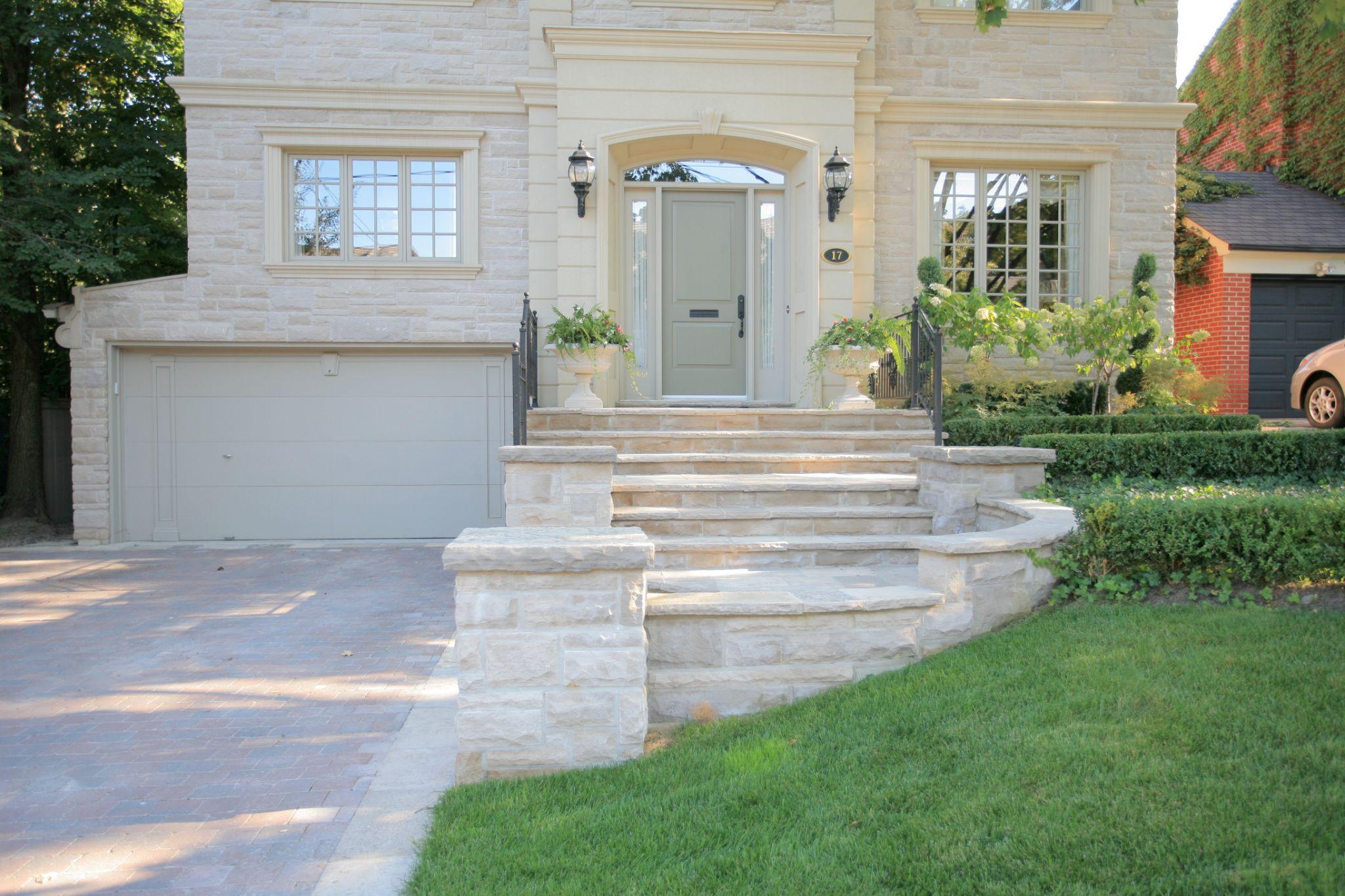
Hardscaping is not just decorative – it directly affects how you use your outdoor space day to day. Well-placed features like walkways and patios make routine activities safer and more convenient. For example, a dry, level path from your driveway to the front door keeps your feet clean, and a patio gives you a comfortable area to relax or dine outside instead of standing on soggy grass. Hardscaping can also solve common yard problems. A stepping-stone path can eliminate a muddy shortcut across the lawn, and a low retaining wall can tame a steep slope to create more usable space. By following these hardscape design ideas for your home, you ensure your yard is both beautiful and practical for your lifestyle.
What Are Popular Hardscaping Features for Homes, Townhomes, and Condos?
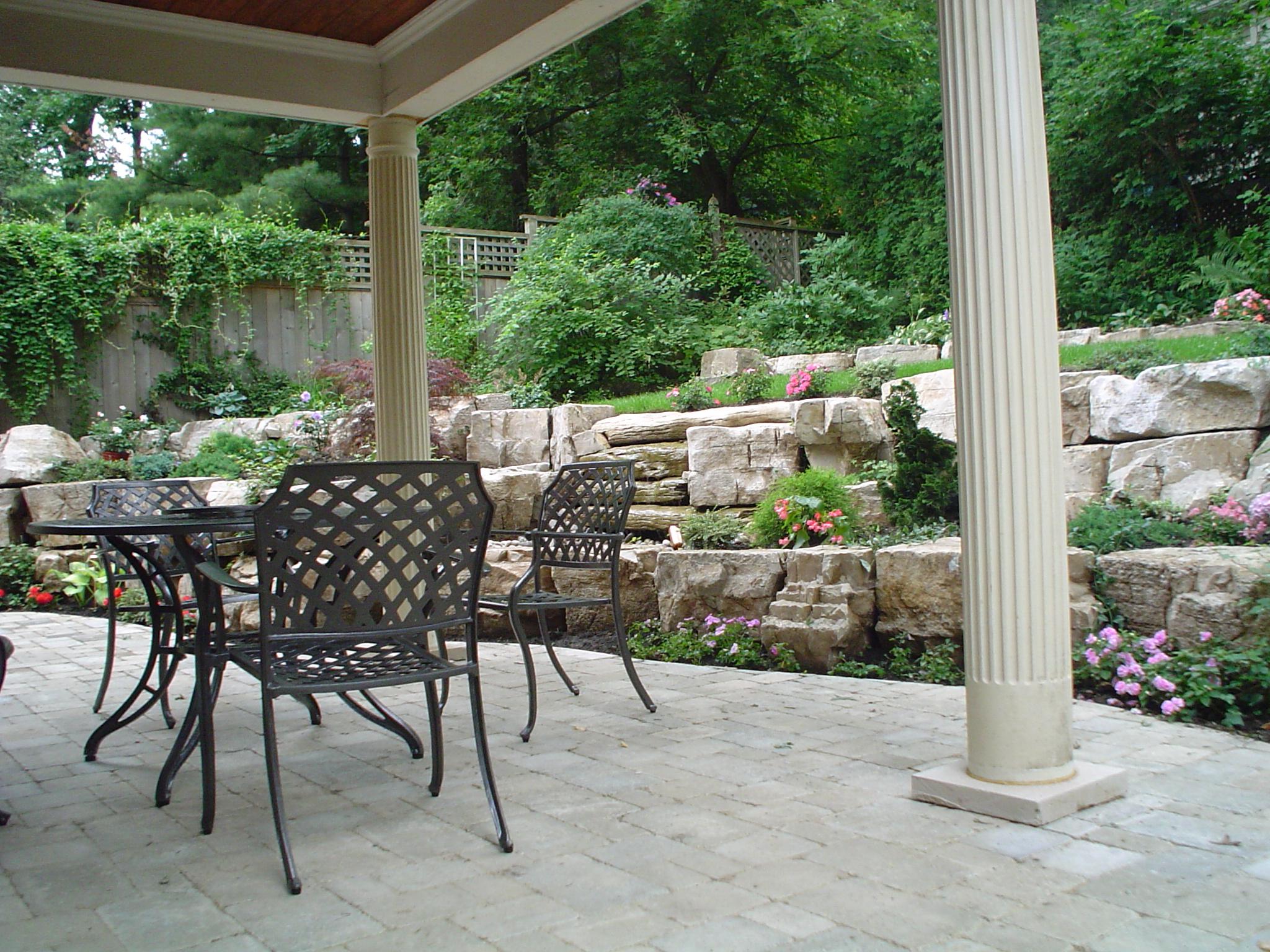
Every property is different, but certain hardscaping elements for backyards are popular across homes in the GTA. Patios, walkways, driveways, and retaining walls are among the most common features. A patio creates an outdoor living room that’s perfect for barbecues, dining, or relaxing with family. Walkways guide people through the yard safely and keep foot traffic from damaging your grass. An upgraded driveway made with interlocking pavers. They can dramatically boost curb appeal, as well. Even if you have a small urban yard or a shared condo rooftop terrace, you can incorporate smart hardscape design. For example, a compact stone patio or a rooftop deck with planters can turn a tiny space into a cozy retreat. These features are both attractive and long-lasting.
How Do You Choose the Right Hardscaping Materials for Long-Term Use?
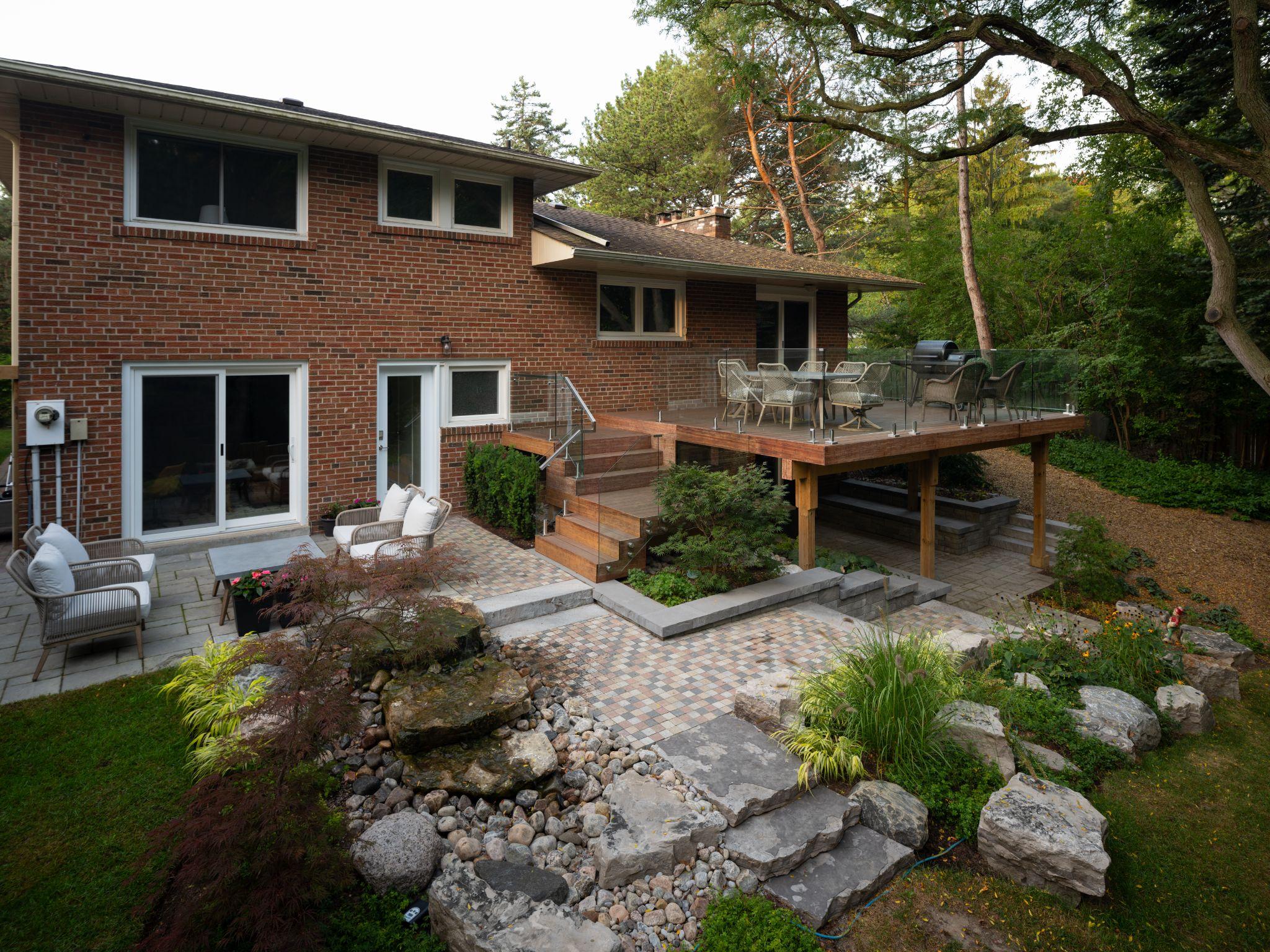
Selecting materials is a crucial step in planning your hardscape project because the material determines how your landscape will look, how it will hold up over time, and what maintenance it will require. The “right” hardscaping materials for landscapes depend on your goals and the conditions at your property. Here are a few factors to consider:
Climate and Durability
In the GTA, we face harsh freeze-thaw cycles, so choose materials that can withstand our winters. Concrete pavers are engineered to resist cracking in cold temperatures. Natural stones like granite or limestone are extremely durable as well (some options may be more durable than others). When choosing hardscaping materials for landscapes in our climate, look for ones known to be frost-resistant and non-slip for safety when wet. Some natural stones hold colour better than others. Speak to a professional about natural stone recommendations.
Aesthetics and Style
Think about the style of your home and garden. If you have a classic or traditional home, natural stone or brick often complements it best, providing a timeless look. Modern or contemporary homes pair well with clean-lined concrete pavers or even poured concrete slabs for a sleek design. Wood elements (like cedar decks or timber walls) can add warmth and character, but remember that wood will weather and may need more upkeep. Aim for materials that you’ll be happy with for years, not just something trendy this season.
Maintenance Needs
Every material has different upkeep requirements. For instance, concrete pavers or stamped concrete might benefit from sealing to protect their colour, while most natural stone can age gracefully without sealant (though sealing can still help prevent stains). Darker materials won’t show dirt or stains as easily as lighter ones. If you truly want low maintenance, you could use composite materials or metal edging in some areas, but even “maintenance-free” options still need occasional cleaning. Before finalizing your choice, make sure you understand the care involved so you won’t have any surprises after installation.
Pavers vs. Natural Stone Hardscaping: What Works Best for Your Property?
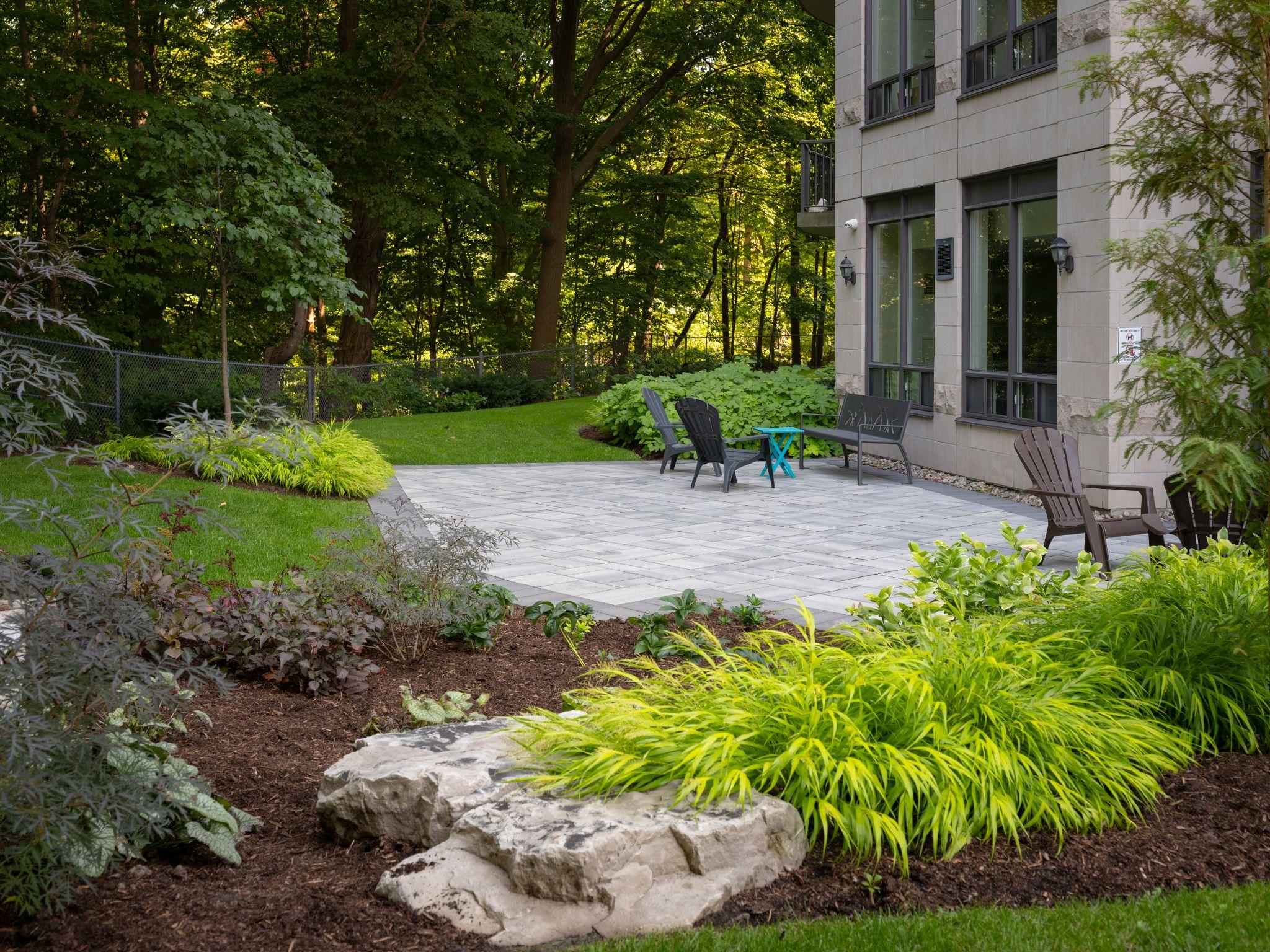
One of the common decisions homeowners face is choosing between manufactured pavers and natural stone for surfaces like patios and walkways. It’s a an important aspect of considering pavers vs. natural stone hardscaping, and each option has its merits. The best choice for your property depends on your design style and how you plan to use the space.
Interlocking/pre-cast concrete Pavers and other pavers
Pavers are precast pieces in conrete, granite, or clay that come in a variety of shapes, sizes, and colours. This means you can achieve many different looks with pavers – from a rustic cobblestone style to a clean, modern design. Pavers often interlock, which gives the surface stability but also a bit of flexibility. That flexibility is great for our climate: if the ground shifts or tree roots grow, the patio can flex a little rather than cracking. If one paver does get damaged or stained, you can replace that single unit without ripping out the whole area.
Natural Stone
Natural stone, such as flagstone or limestone, offers a one-of-a-kind look and a very high-end feel. Each stone is unique in colour and pattern, giving your patio character that’s hard to replicate with manufactured materials. However, working with natural stone typically requires a skilled hand, such as a professional stone mason. Stones are often irregular in shape and heavier to move, so the installation might take longer and involve carefully cutting and fitting pieces together. The end result, though, is a solid stone surface that can last for generations. Homeowners who love a rustic or upscale, natural aesthetic often choose stone for its beauty and durability.
Which Should You Choose?
There’s no one-size-fits-all answer. It really comes down to your personal preference and practical considerations. If you prefer a very uniform, contemporary look or have a specific pattern in mind, pre-cast concrete pavers might work best for you. If you want an organic look that blends into a lush garden, natural stone could be the winner. Maintenance for both options is similar – both will need occasional joint sand refilling and periodic cleaning. Natural stone may weather and develop a patina over time, which many people appreciate, while pavers tend to maintain a consistent look. Ultimately, understanding the characteristics of each material will help you make the best choice for your property.
How Does the Hardscape Installation Process Work from Start to Finish?
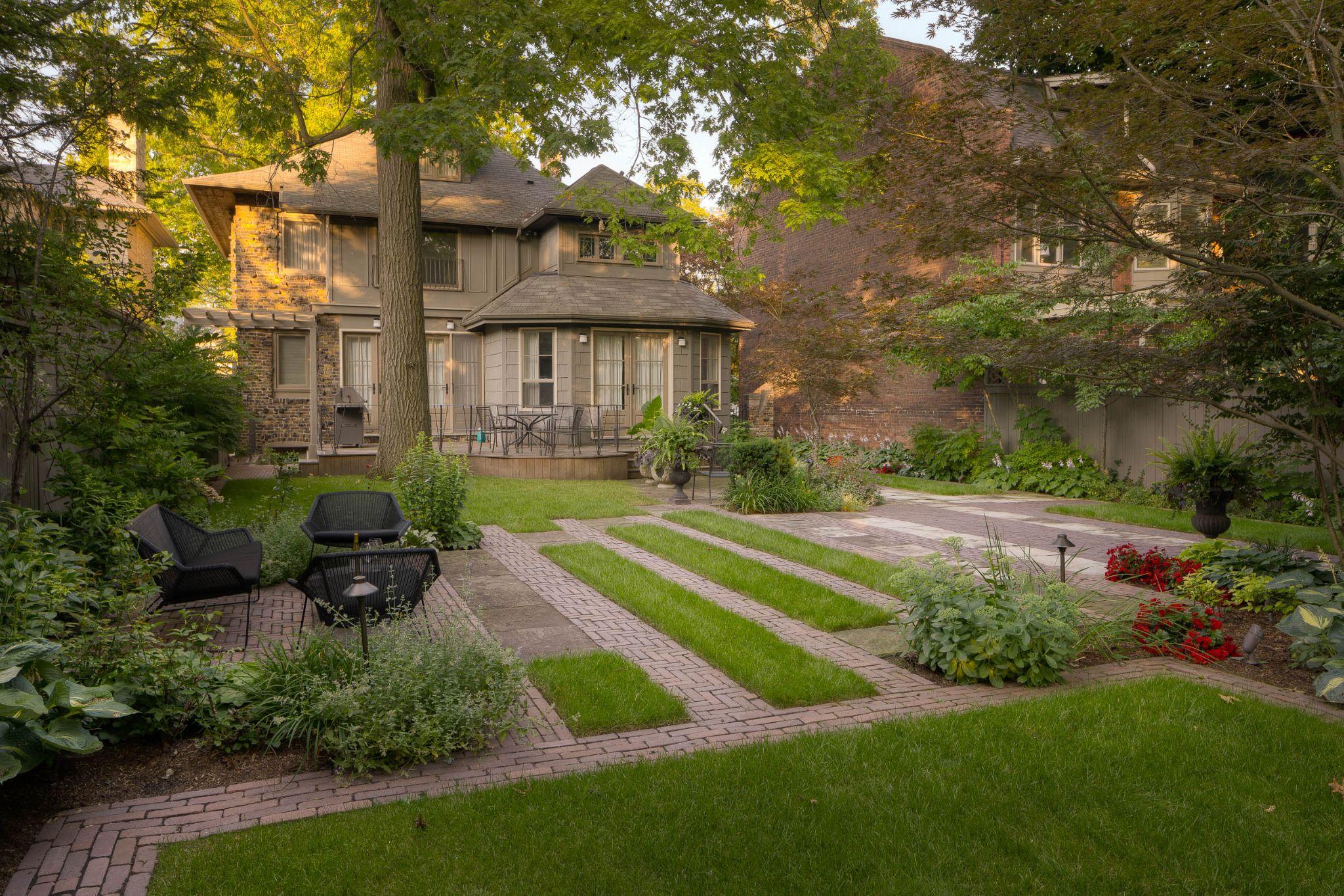
Understanding the hardscape installation process can give you peace of mind as you plan your project. When you know what steps are involved, you can prepare better and avoid surprises. While each project has unique aspects, most installations follow these general stages (as any good hardscaping guide will outline):
- Design and Planning: Every successful project begins with a solid plan. This includes assessing your property, deciding on the layout of features, and choosing hardscaping materials for your landscape. At this stage, consider how water will drain (to avoid pooling or flooding), how the hardscape will connect with your house (for example, the patio height relative to your door), and any necessary permits or local regulations. This is also when you ensure your hardscape design fits with your overall landscaping vision so that all the elements (patios, gardens, lawns) work well together.
- Site Preparation and Excavation: Once the plan is ready, the site is prepared. This means clearing any grass, old patio, or debris where the new hardscape will go. Then the area is excavated to the required depth. For a typical patio or walkway, that means removing several inches of soil to make room for the base layers. It’s crucial to mark out the exact area according to your plan so that you only remove what’s needed and have a clear outline to follow.
- Base Installation: A stable base is the key to a long-lasting hardscape. After digging, a layer of gravel (often crushed stone) is spread and to the appropriate compaction specification. This may be done in layers to reach the necessary thickness. Proper base preparation is essential to prevent future settling or shifting of your patio or walkway. In areas with poor drainage, installers might also incorporate a simple drain or slope the base slightly so water will run off correctly. Taking the time to get the base right will pay off with a hardscape that stays level and secure.
- Laying the Hardscape Elements: With the base in place, the visible hardscape pieces are installed. If you’re building a paver or stone patio, this is when each paver or stone is laid according to your chosen pattern. For a wall or steps, this is when the blocks or stones are stacked and secured. Installers will carefully cut any pieces as needed to fit edges or corners. This is the stage where your design truly starts to come to life, and you can see the patio, walkway, or wall taking shape.
- Finishing Touches: Finally, the project is finished with detail work. For a paver patio, sand (often polymeric sand that hardens) is swept into the joints between pavers to lock them in place and discourage weeds. For natural stone, joints might be filled with sand, gravel, or mortar, depending on the design. The edges of the hardscape are cleaned up and stabilized, often referred to as “edge restraint” by professionals. After everything is in place, the crew will clean up the site, and your new hardscape will be ready to enjoy.
Why Do Proper Base Preparation and Drainage Matter?
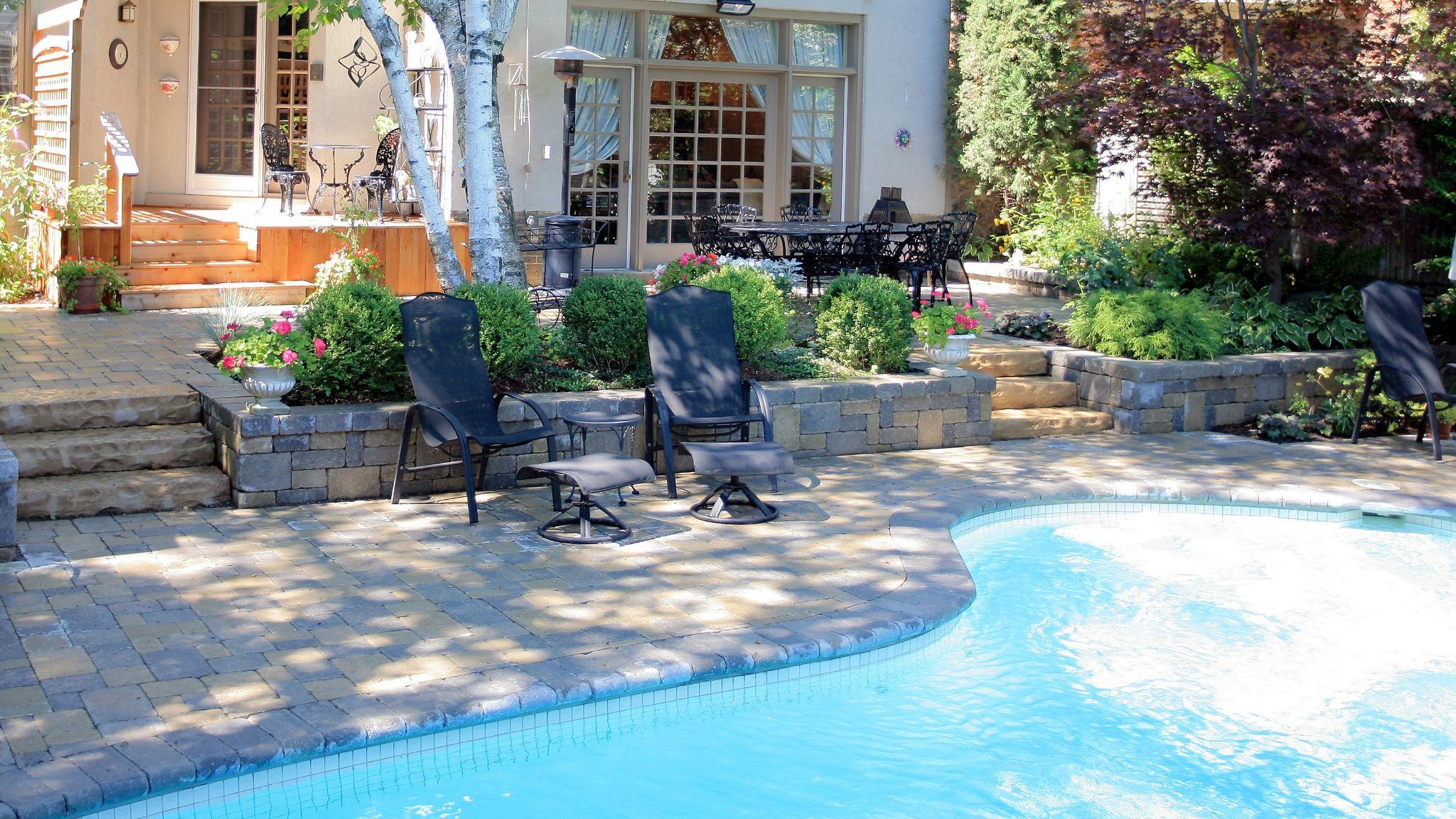
If there’s one lesson you should take away from this hardscaping guide, it’s that a strong foundation is absolutely essential. Proper base preparation and drainage might not be glamorous, but they are the unsung heroes of any successful hardscape project. Skimping on this part can lead to problems down the road that are expensive and frustrating to fix.
Solid Base Preparation
The gravel and sand base beneath your pavers or stone is what bears the weight and keeps everything stable. If too little base is used, or if not compacted to appropriate specification, your hardscaping could start to shift or settle. You might see patio stones heave up and down with frost, or notice dips and trip hazards forming over time. Frost is a fact of life in Ontario. While frost heave is inevitable, properly installed bases will go back to their correct levels when the ground thaws. An experienced crew will know the right base depth for each project (for instance, heavier loads like driveways need a thicker base) and will take the time to do it properly. In the Toronto area, we often have clay soil that expands and contracts with moisture, so high-quality installers take extra steps in those conditions to prevent future settling. Focusing on the base is what ensures your patio or walkway remains smooth and sturdy for the long term.
Drainage
Water can be a hardscape’s best friend or its worst enemy. Without proper drainage, water might pool on your patio or, worse, collect around your home’s foundation. Over time, standing water can seep down and erode the base, or in winter it can freeze and cause pavers to lift and crack. That’s why a good hardscape design always plans where the water will go. Typically, paved areas are built with a slight slope (so slight you won’t notice) to direct rain off to the sides or into nearby garden beds. In areas where runoff is a big concern, installers might add drainage solutions like a French drain or a perforated pipe under the base to channel water away. And for retaining walls, drainage gravel and weep holes or pipes behind the wall are essential to relieve the pressure of water in the soil so the wall stays strong.
In short, proper base preparation and drainage matter because they give your hardscaping longevity and resilience. A well-built foundation and smart water management keep your outdoor features safe and intact. If you’re evaluating contractors or planning a DIY project, make sure there’s a clear plan for the base and drainage from the start.
How Does Hardscaping Affect Ongoing Landscape Maintenance?
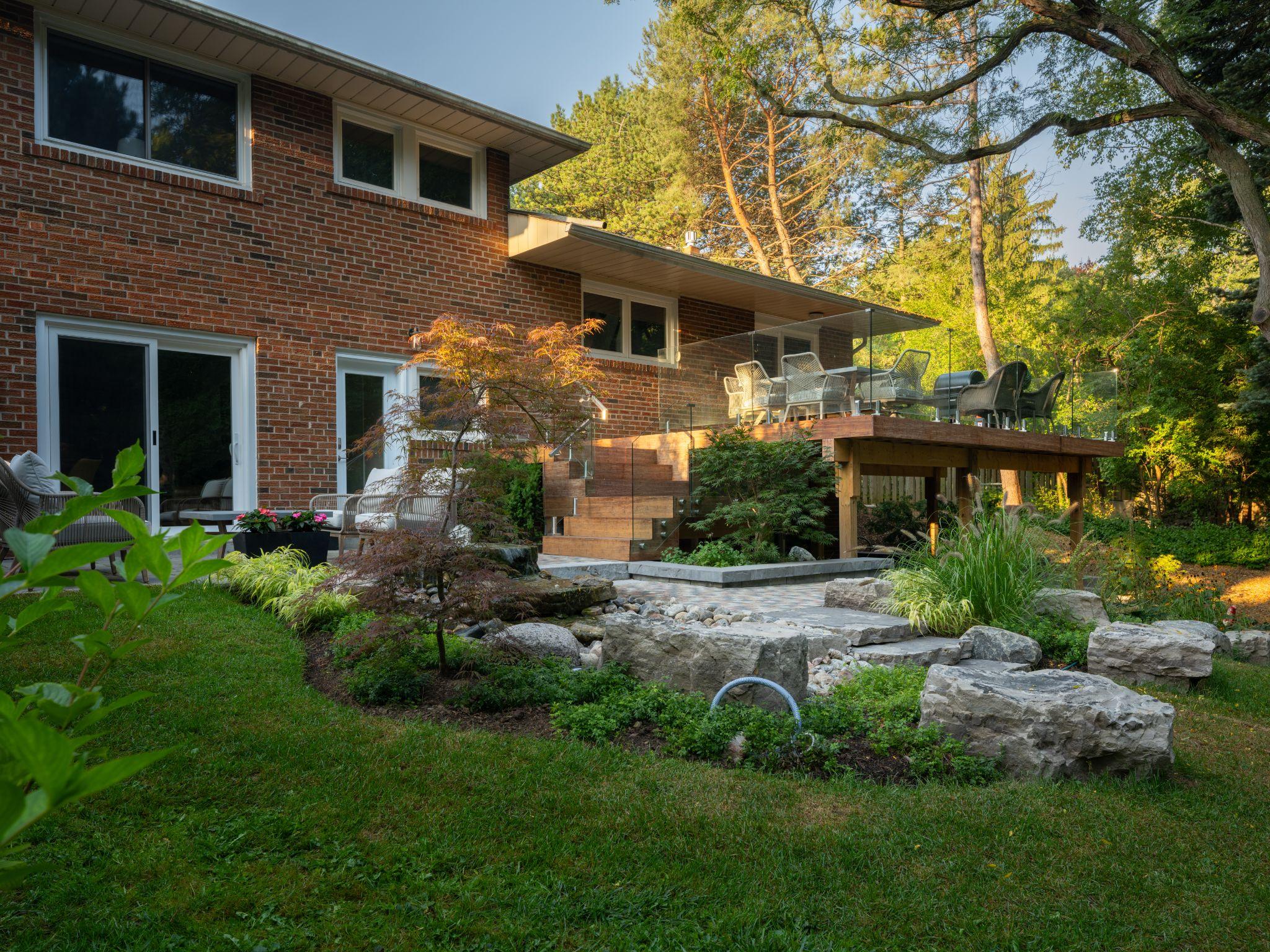
One great benefit of adding hardscape to your property (as any good hardscaping guide will tell you) is that it can simplify your overall yard maintenance. The more area you cover with patios, walkways, or walls, the less lawn you have to mow and the fewer flowerbeds you need to weed. In other words, hardscaping can reduce some of the time you spend on upkeep. For example, replacing a patch of high-maintenance lawn with a stone patio means you no longer need to water, mow, or fertilize that spot. Adding a walkway through a garden prevents a muddy footpath from wearing out your grass. Building a retaining wall on a slope can stop erosion and save you from trying to trim a hard-to-mow hillside. In these ways, hardscape features let you focus your yard work on the plants and areas you truly enjoy, instead of struggling with problematic parts of the yard.
Now, let’s talk about caring for the hardscape itself. The good news is, maintenance for patios, walkways, and other structures is usually straightforward. Hardscaping isn’t “set and forget,” but the upkeep it needs is very manageable. Here are some essential hardscape maintenance tips to keep in mind:
- Cleaning & Weed Control: Keep surfaces clear of leaves and debris to prevent stains or moss, and give them a wash now and then to keep them fresh. If you see weeds or grass popping up between pavers, pull them out. Filling the joints with sand (especially polymeric sand that hardens) will help block weed growth.
- Joint Maintenance & Repairs: Periodically refill the sand or gravel between pavers to keep them stable, and fix any loose or uneven stones promptly to prevent hazards. If you notice any cracked or sunken pieces, re-level or replace them sooner rather than later to avoid further damage.
With a little time spent on upkeep each season, your hardscape will stay looking great for years to come.
How Can Enhancements Improve Your Hardscaped Areas Over Time?
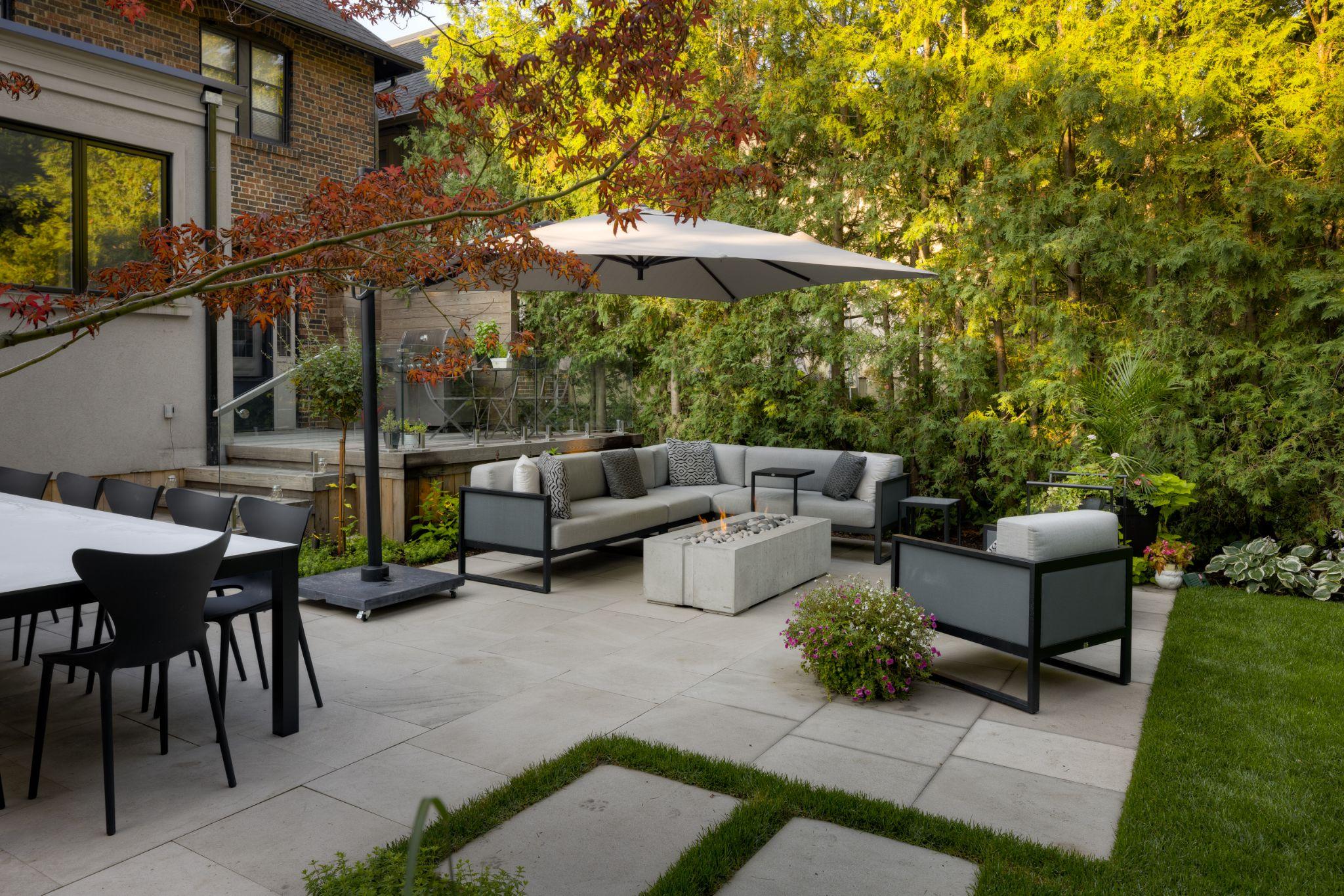
After you’ve invested in a beautiful patio, walkway, or other hardscape, you might think the project is finished. However, our hardscaping guide wouldn’t be complete without discussing how you can enhance and improve those hardscaped areas over time. Your needs and tastes can change, and the great thing about hardscaping is that you can often build upon what’s already there instead of starting from scratch.
Here are a few ways you can enhance or update an existing hardscape:
- Add New Features: Upgrade a simple patio by adding a built-in barbecue counter, an outdoor kitchen, or a fire pit. Features like these can create new focal points and make your space better for entertaining or family time.
- Incorporate Lighting: If you didn’t include lighting initially, adding low-voltage LED lights along pathways, steps, or around your patio can extend its use into the evening and create a warm ambiance. Lighting is a quick enhancement that dramatically improves safety and atmosphere.
- Refresh Aging Surfaces: If your hardscape is decades old, consider updating it. You could replace outdated or cracked pavers with newer styles, or reface a concrete patio with stone tiles. Even adding decorative elements like a stone seating wall, new planters, or a pergola for shade can give an older patio a fresh, updated look.
Think of your hardscape as the foundation of a continually evolving outdoor living area. You can always build upon it or tweak it to better suit your current needs and preferences. With a bit of creativity (and the help of skilled professionals when needed), you can ensure that your hardscaped spaces remain engaging, useful, and suited to your lifestyle for many years to come.
Why Trust Allweather Landscape for Your Hardscaping Project?
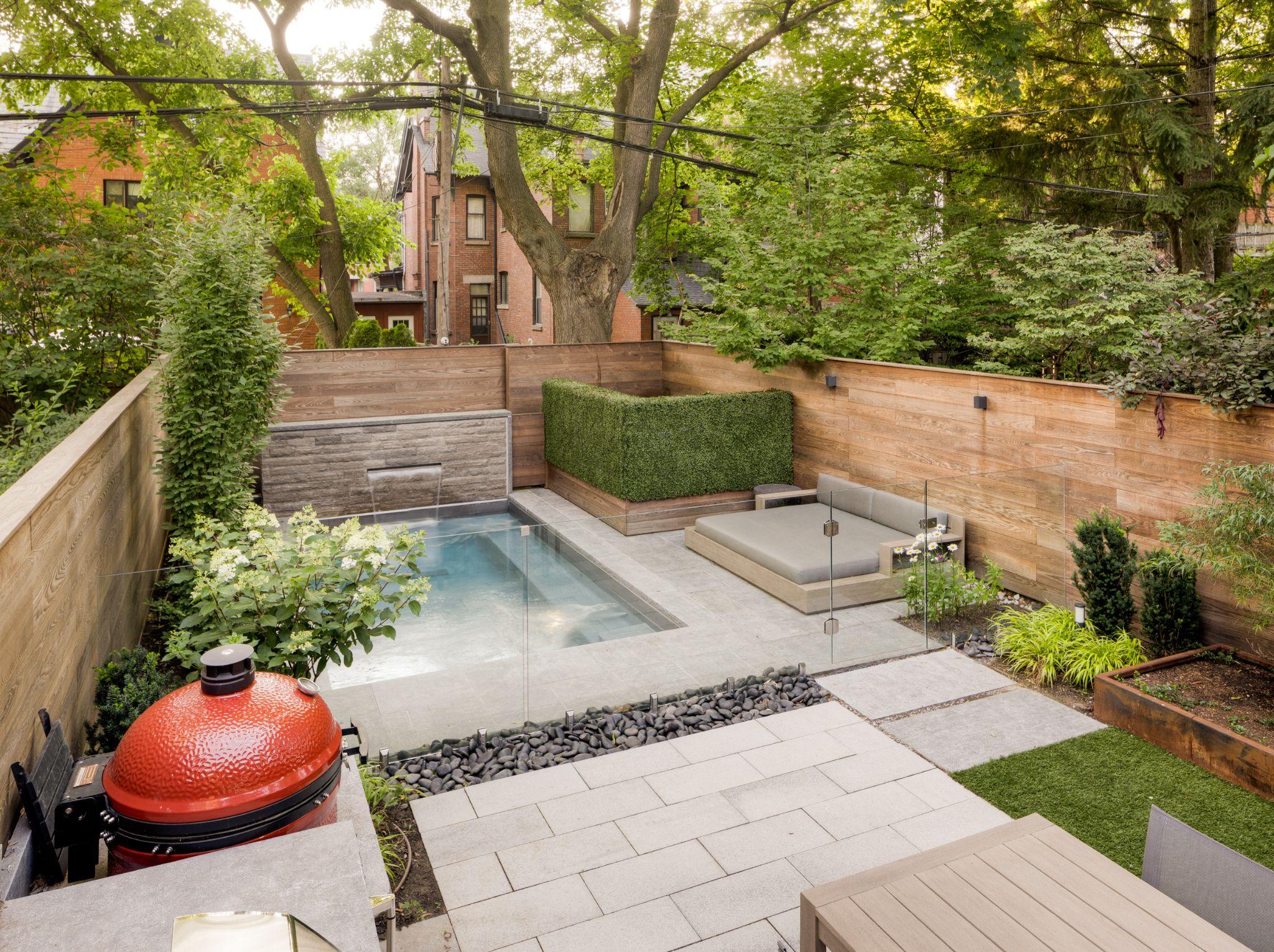
Allweather Landscape’s most compelling advantage is its holistic approach to complete site development, managing every aspect of your outdoor project from initial concept to long-term care. Unlike firms that handle only pieces of the puzzle, Allweather offers comprehensive design, build, and maintenance services. This seamless integration ensures that all elements—from intricate hardscaping and precise grading to thoughtful planting and ongoing maintenance—align perfectly with the original design vision. By avoiding the typical disconnects between different contractors, we guarantee that your entire outdoor space functions harmoniously as a unified extension of your property.
We’ve earned the trust of homeowners across the Greater Toronto Area by approaching hardscaping with both technical care and strong customer service. Hardscape projects involve many moving parts, from planning and scheduling to coordination with other landscape elements. When communication breaks down, projects slow down and frustration builds. Allweather Landscape places a strong emphasis on clear timelines, responsive communication, and respectful site management so your project moves forward efficiently and without unnecessary delays.
Experience plays a central role in how Allweather Landscape approaches hardscaping. The team understands how materials perform in Canadian conditions and how design choices affect long-term use. Every project benefits from hands-on knowledge gained through years of working with patios, walkways, retaining walls, and integrated outdoor spaces. That experience helps ensure the right materials, proper base preparation, and correct hardscape installation process are applied every time.
Quality also comes down to the people doing the work. Allweather Landscape hires skilled professionals who take pride in their craft and understand the importance of detail. From consistent grading to clean joint lines and proper drainage, the focus stays on doing the work correctly, not quickly. This attention to detail reduces future issues and supports long-term durability.
At its core, Allweather Landscape believes trust is built through reliability and follow-through. When your questions are answered clearly and your project is handled with care, the process feels manageable rather than overwhelming. That commitment to service, combined with proven technical skill, is why many homeowners continue working with Allweather Landscape over the years.
If you are planning a hardscaping project and want guidance that balances experience, attention to detail, and dependable service, Allweather Landscape is ready to help. The team works with your goals, your property, and your timeline to support outdoor spaces that hold up well and fit your everyday life. Book a consultation.
Summary:
This comprehensive hardscaping guide provides Greater Toronto Area homeowners with insights on designing functional outdoor spaces. It explains what hardscaping is and how features like patios, walkways, and walls improve everyday use of backyards. The guide covers popular hardscape design ideas for homes (including townhomes and rooftop terraces), tips on choosing durable hardscaping materials for landscapes, and a comparison of pavers vs natural stone hardscaping options. Readers learn about the complete installation process, why proper base preparation and drainage are essential, and get practical maintenance tips. The blog concludes with ways to enhance existing hardscaped areas and an invitation to consult with Allweather Landscape for expert support.
Tags: