
9 Hardscaping Ideas For Yards That Improve Outdoor Living
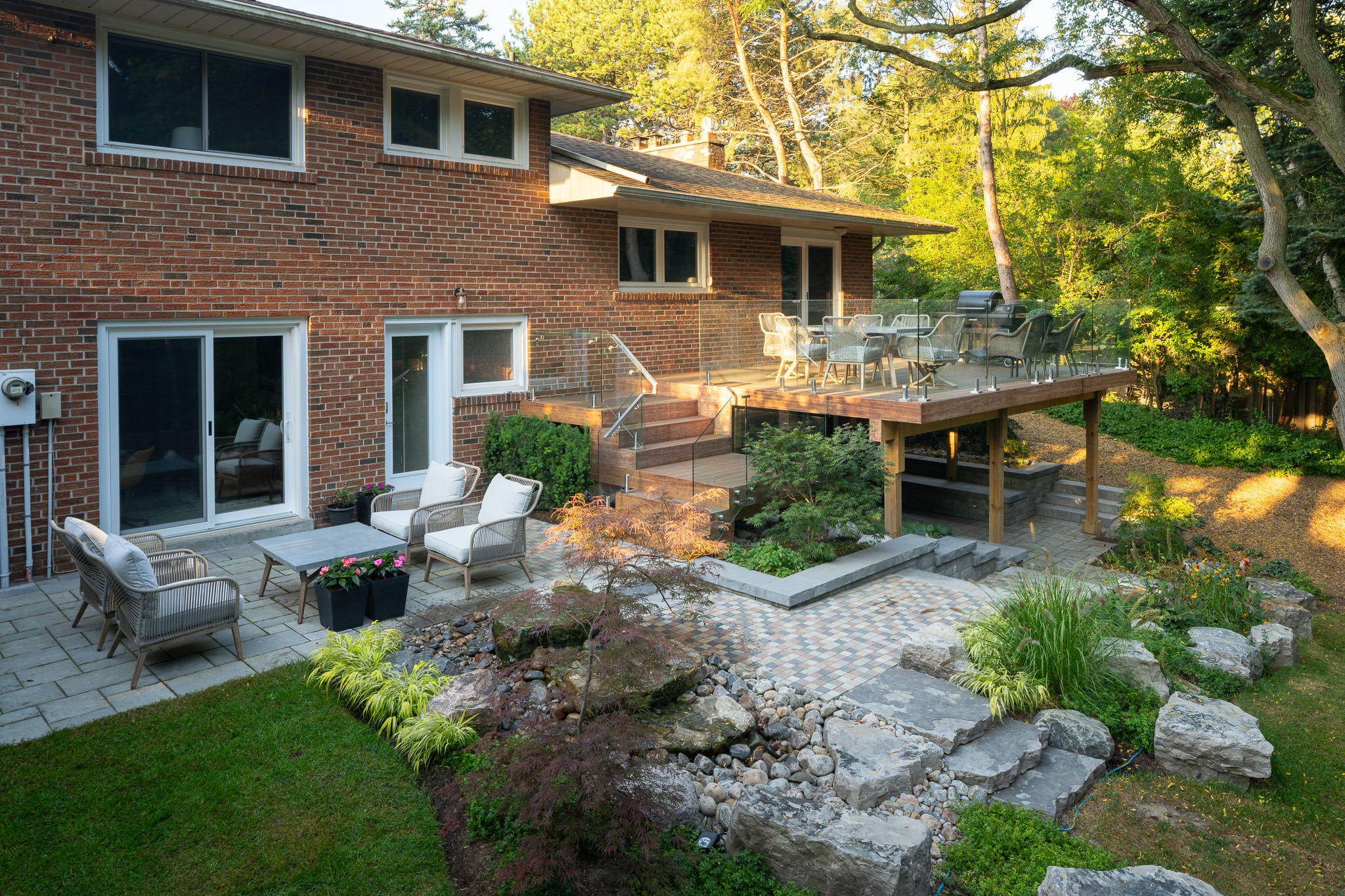
You want an outdoor space that works for everyday life, not just special occasions. In the GTA, weather, grading, and property size all affect how your landscape performs over time. Poor planning often leads to surfaces that shift, water that pools, or features you stop using. This guide focuses on practical planning and long-term thinking so your outdoor space stays reliable. Learn more in our Complete Hardscaping Guide for Outdoor Spaces, which is designed to help you understand how thoughtful choices support daily comfort, safety, and lasting value.
Interlocking Pre-Cast Concrete Paver Patios For Everyday Use
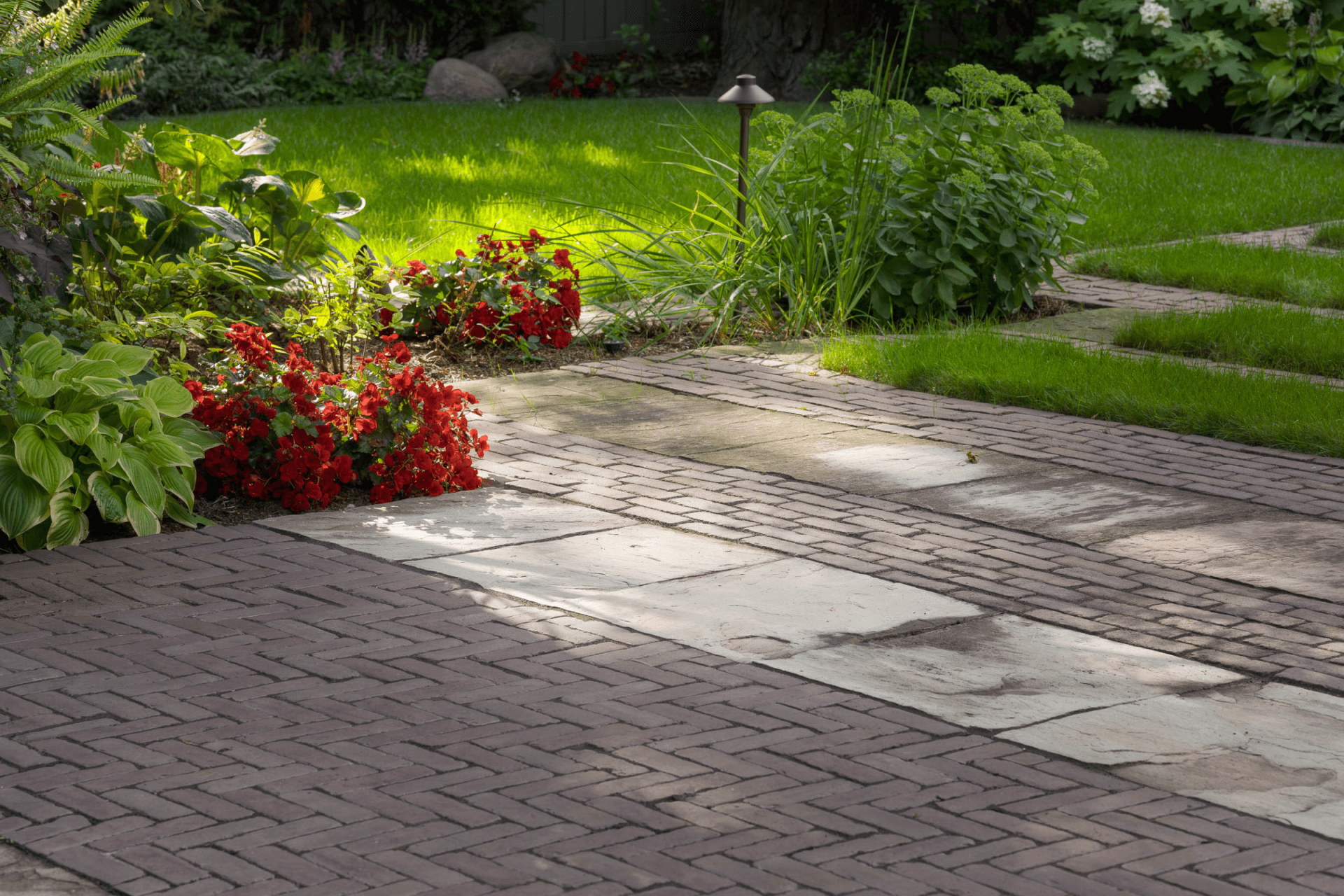
A patio is often the most used part of your yard. When planned well, it supports daily meals, quiet mornings, and casual gatherings. Among practical hardscaping ideas for yards, interlocking stone patios remain a reliable choice for GTA conditions.
You get flexibility in layout and a surface that manages freeze-thaw cycles better than poured concrete. Proper base preparation matters. A well-built patio relies on correct excavation depth, compacted granular layers, and edge restraint that keeps stones in place over time.
When reviewing patio hardscaping ideas, think about how you move across the space. Wide steps, gentle transitions, and slip-resistant textures support safe use in all seasons. Neutral stone colours also age well and adapt as your landscaping evolves.
Defined Walkways That Improve Access And Flow
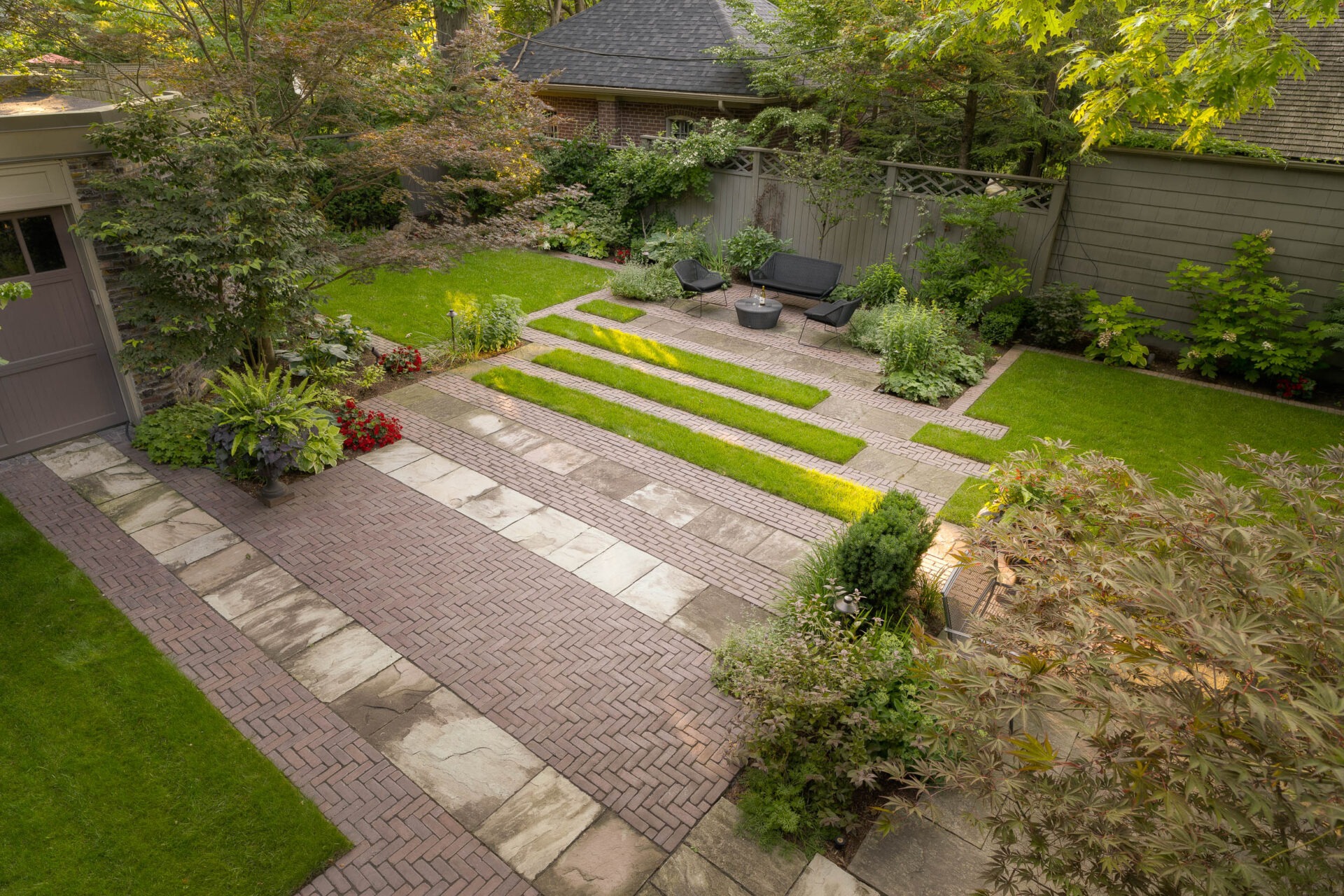
Walkways do more than connect areas. They guide movement and protect turf and garden beds from wear. Thoughtful hardscaping ideas often begin with clear access routes that make daily routines easier.
Straight paths suit modern homes, while gentle curves soften traditional landscapes. With walkway hardscaping ideas, material choice affects comfort and durability. Concrete pavers offer consistency. Natural stone adds variation but requires careful setting.
Well-defined walkways also improve drainage by directing runoff away from foundations. Over time, this reduces surface erosion and maintenance demands. Installation accuracy ensures even surfaces that remain safe year after year.
Retaining Walls That Support Grade Changes
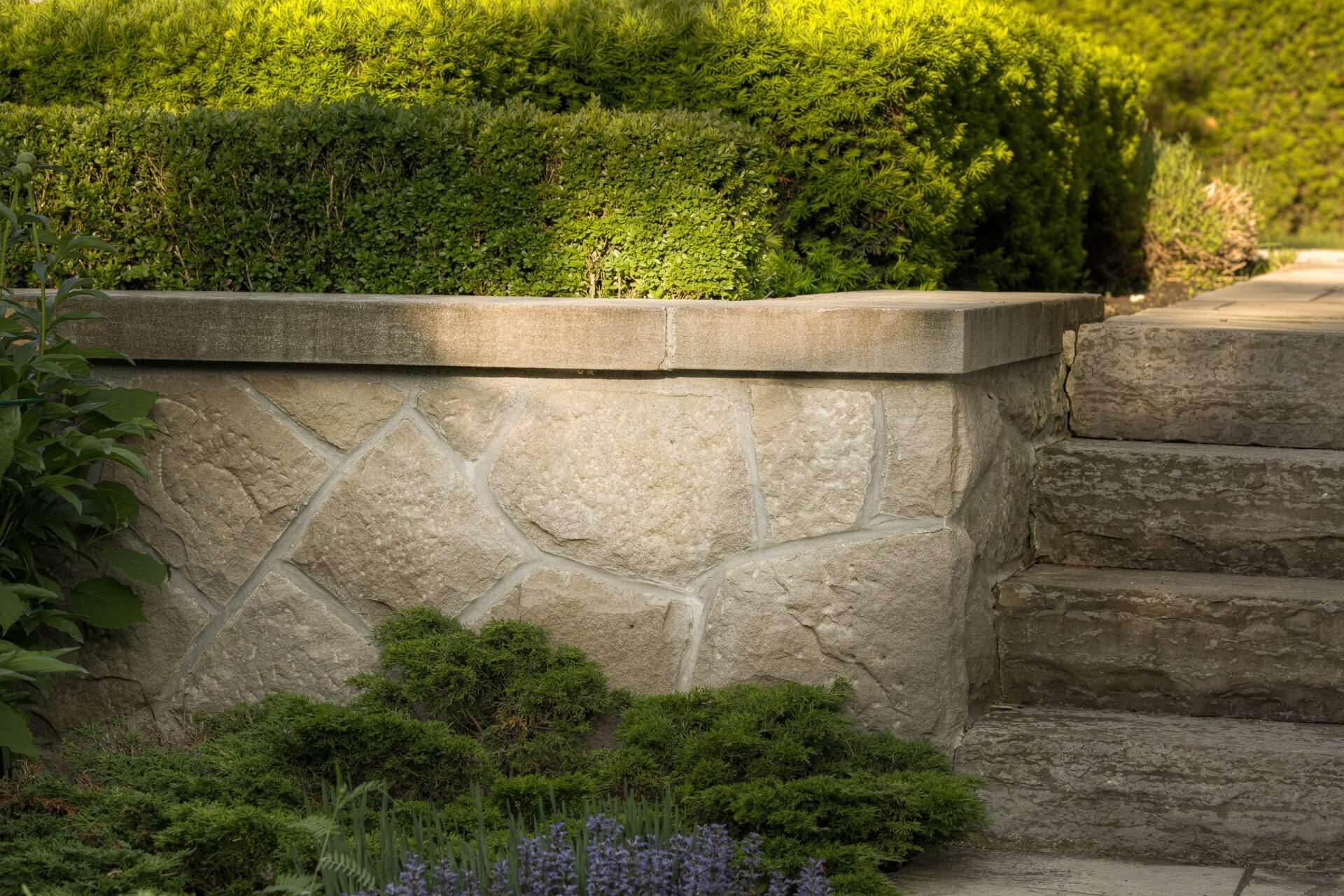
Many GTA properties include slopes or uneven grades. Retaining walls manage these challenges while adding structure. As hardscaping ideas for yards, retaining walls create usable space where it might not otherwise exist.
When considering retaining wall hardscape ideas, height and soil pressure guide material selection. Segmental concrete walls work well for most residential needs. Natural stone suits lower walls where visual softness matters.
Proper drainage behind the wall is essential. Gravel backfill and weeping systems relieve pressure and extend wall life. These technical details support long-term performance and reduce future repairs.
Front Entrance Hardscaping That Adds Structure
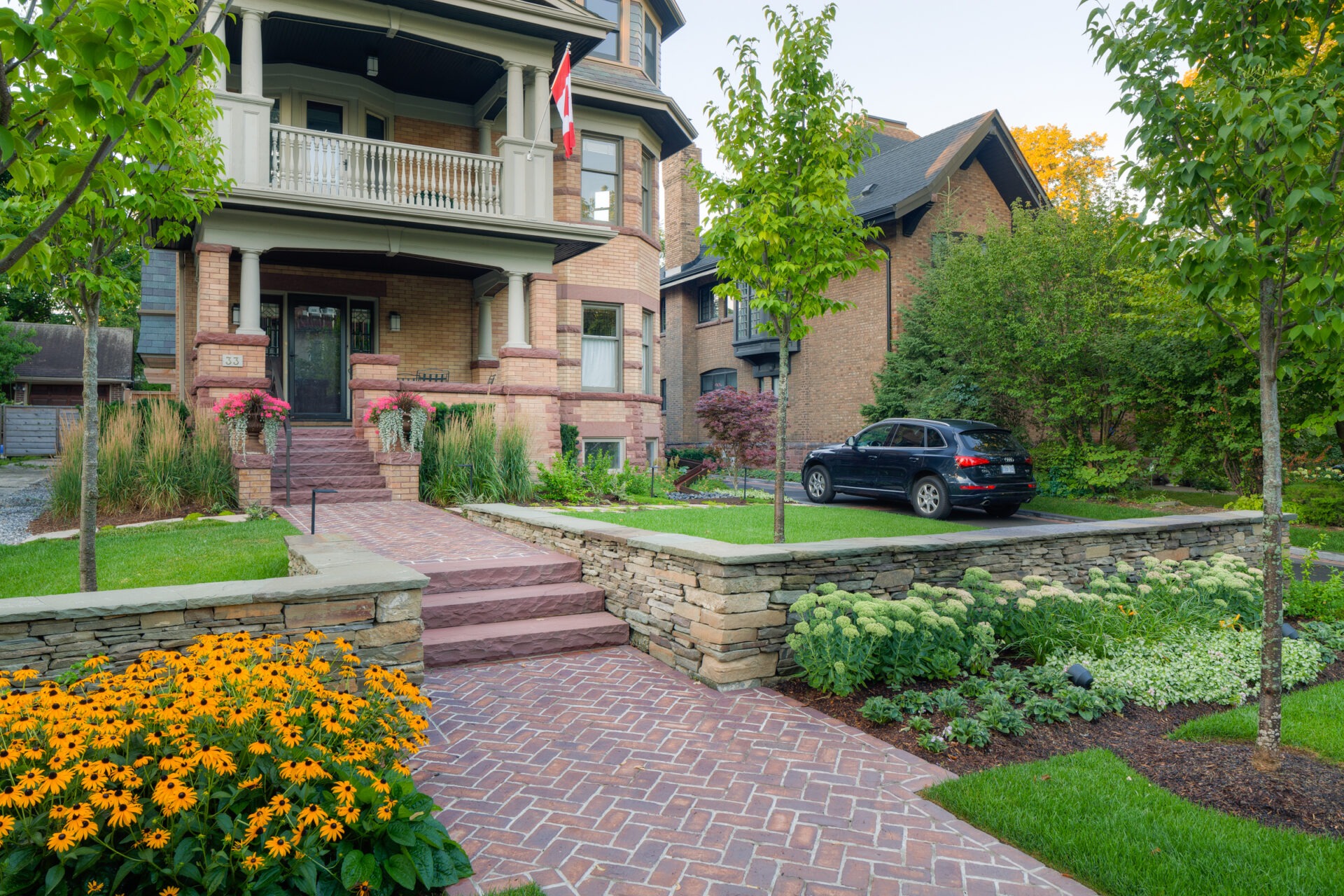
Your front entrance serves as a vital transition point, setting the first impression and establishing expectations for visitors before they even step inside your home. A well-designed entry speaks to an inherent sense of order, achieved through clean lines, structurally stable surfaces, and clear, thoughtful transitions between the public sidewalk, the walkway, and the landing. Among the myriad of effective hardscaping ideas, upgrades focused on the front entry often deliver the most substantial functional value, directly impacting safety, curb appeal, and overall property aesthetics.
Key Hardscaping Elements for the Front Entry
Walkways, Steps, and Landings: These foundational elements must be strategically aligned with the door placement and the main sightlines from the street or driveway. This thoughtful orientation ensures an intuitive and welcoming path.
- Consistency is Crucial: The choice of hardscape materials, whether it’s natural stone, pavers, concrete, or brick, should be consistent not only within the entrance area but ideally tied to the rest of the property’s hardscape. This unified approach prevents the entry from feeling isolated.
- Safety and Illumination: Integrated lighting is essential for function and safety, especially during the darker months of the year. Low-voltage lighting tucked into step risers, along walkway edges, or within retaining walls illuminates the path, prevents tripping hazards, and adds a sophisticated ambiance.
- Material Selection: Durable, slip-resistant materials are paramount. For instance, textured pavers or flamed granite are often preferred over highly polished surfaces, particularly in areas exposed to rain or snow. The pattern should guide the eye toward the door, such as a running bond pattern for a walkway or a contrasting border for a landing.
Creating Property-Wide Cohesion
The successful execution of the front entry hardscape should not be viewed in isolation. This approach complements and enhances any backyard hardscape ideas you may have, such as patios, retaining walls, or fire pits, by deliberately creating aesthetic cohesion across the entire property.
When the front and rear outdoor spaces share a common design logic, perhaps by using the same border material, a similar geometric motif, or a consistent color palette, the entire landscape feels intentional, harmonious, and fully resolved. This intentionality elevates the perception of the property from a collection of unrelated pieces to a cohesive, thoughtfully designed whole, significantly boosting its architectural and landscape appeal.
Hardscape Seating Built Into Your Landscape
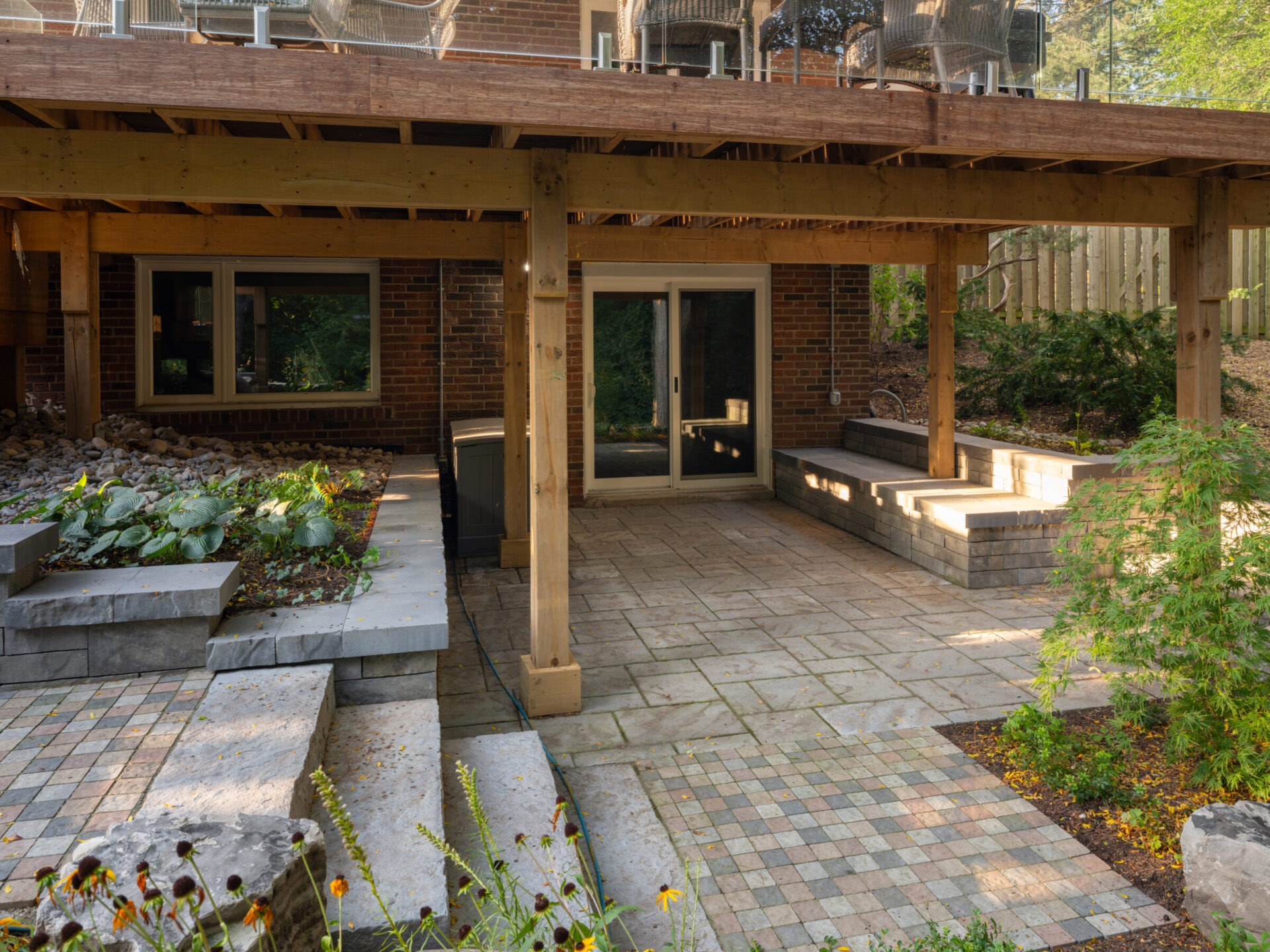
Built-in seating creates gathering spaces without the need for extra furniture. When included in hardscaping ideas, seating walls offer both function and structure. You gain defined areas for conversation and relaxation while keeping walkways clear. Proper height, depth, and material choice ensure comfort, durability, and easy care through changing seasons in the GTA.
Stone benches or seat walls often double as retaining features. This approach reduces clutter and supports efficient use of space. You also get seating that stands up to weather and requires minimal care, which ties back to long-term planning principles found in detailed hardscaping guides.
Outdoor Kitchens
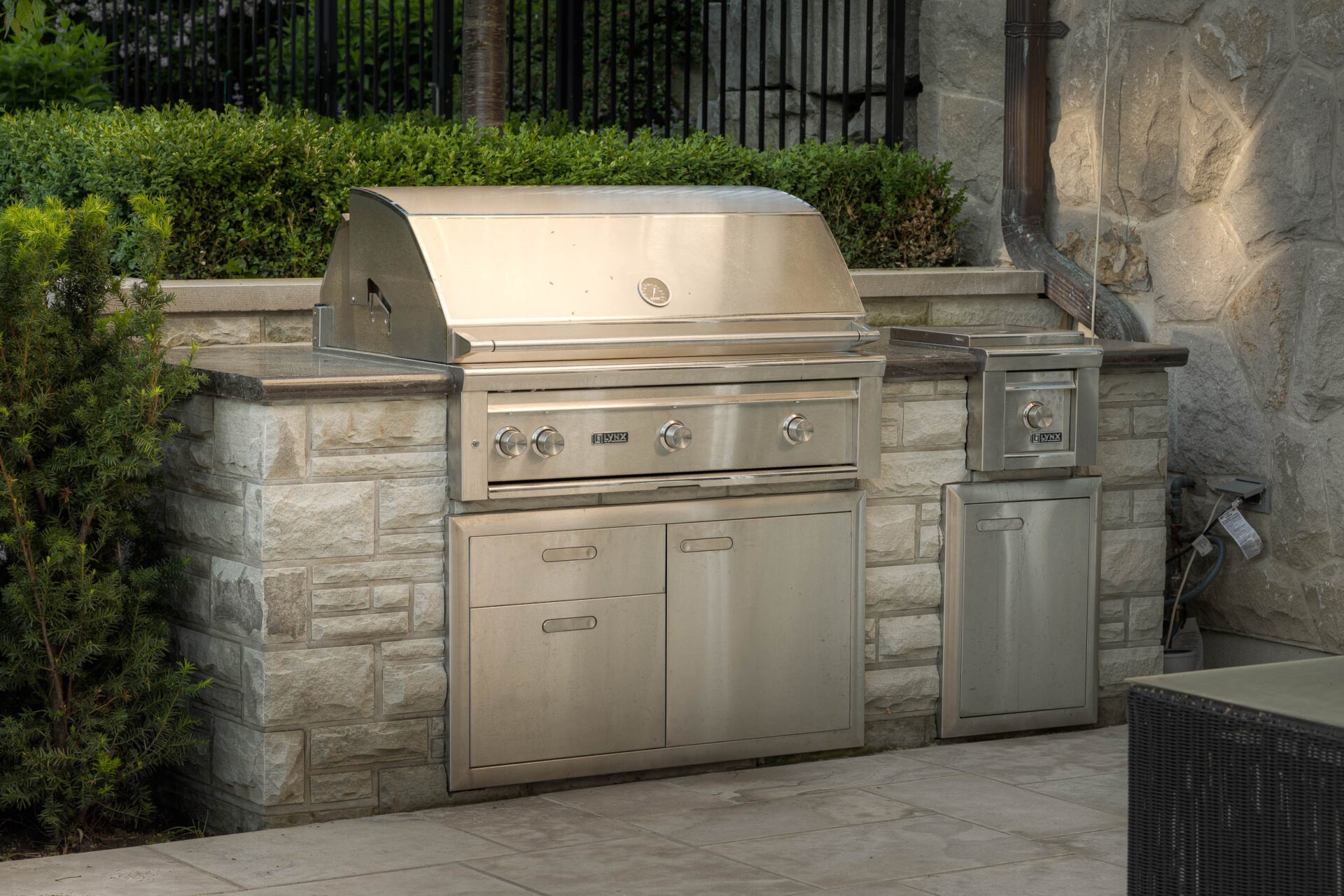
Outdoor kitchens are a transformative addition to any home, fundamentally extending the living and entertaining space into the yard throughout the warmer seasons. They are not merely an appliance placed outside, but a strategic component of a comprehensive landscape design. As part of well-considered hardscaping ideas, an outdoor kitchen must feel seamlessly connected to adjacent patios, decks, and primary seating or dining areas. This integration is key to maximizing its utility and creating a cohesive flow for social gatherings.
A thoughtful layout is crucial for ensuring a smooth and efficient workflow, mirroring the “kitchen triangle” concept indoors, but tailored to the outdoor environment. This includes distinct, yet connected, zones for cooking (grill, burners), serving (counter space), and dining (table, bar seating).
The longevity and aesthetic appeal of an outdoor kitchen depend heavily on the selection of durable, weather-resistant materials. Materials like natural stone (for countertops and veneers), marine-grade stainless steel (for appliances and cabinetry), and high-performance concrete or composite decking (for flooring) are essential for reducing maintenance requirements and resisting the elements, including sun, rain, and temperature fluctuations. Integrated features, such as strategically placed task and ambient lighting, along with ample, sealed storage for utensils, serving ware, and cooking essentials, significantly enhance both convenience and long-term usability.
Beyond the initial design, the practical elements of the kitchen directly affect how often the space is used. Durable surfaces, especially stone counters, and weather-resistant fixtures (sinks, faucets, hardware) are necessary to support consistent, reliable performance regardless of the climate. Proper ventilation, often overlooked in outdoor settings, is vital, particularly when using propane or natural gas appliances or when the kitchen is situated under a pergola or awning, ensuring safety and comfort.
Planning utilities correctly at the start of the project is a non-negotiable step. This involves precisely mapping and installing gas lines, electrical wiring for outlets and lighting, and plumbing for sinks and refrigerators. Addressing these utilities early prevents costly and disruptive retrofits later on and aligns with the standards required for a quality, safe, and professional installation. A well-designed outdoor kitchen is a significant investment that pays dividends in lifestyle and property value, provided these foundational elements of planning, material selection, and utility installation are executed with attention to detail.
Pools And Spas
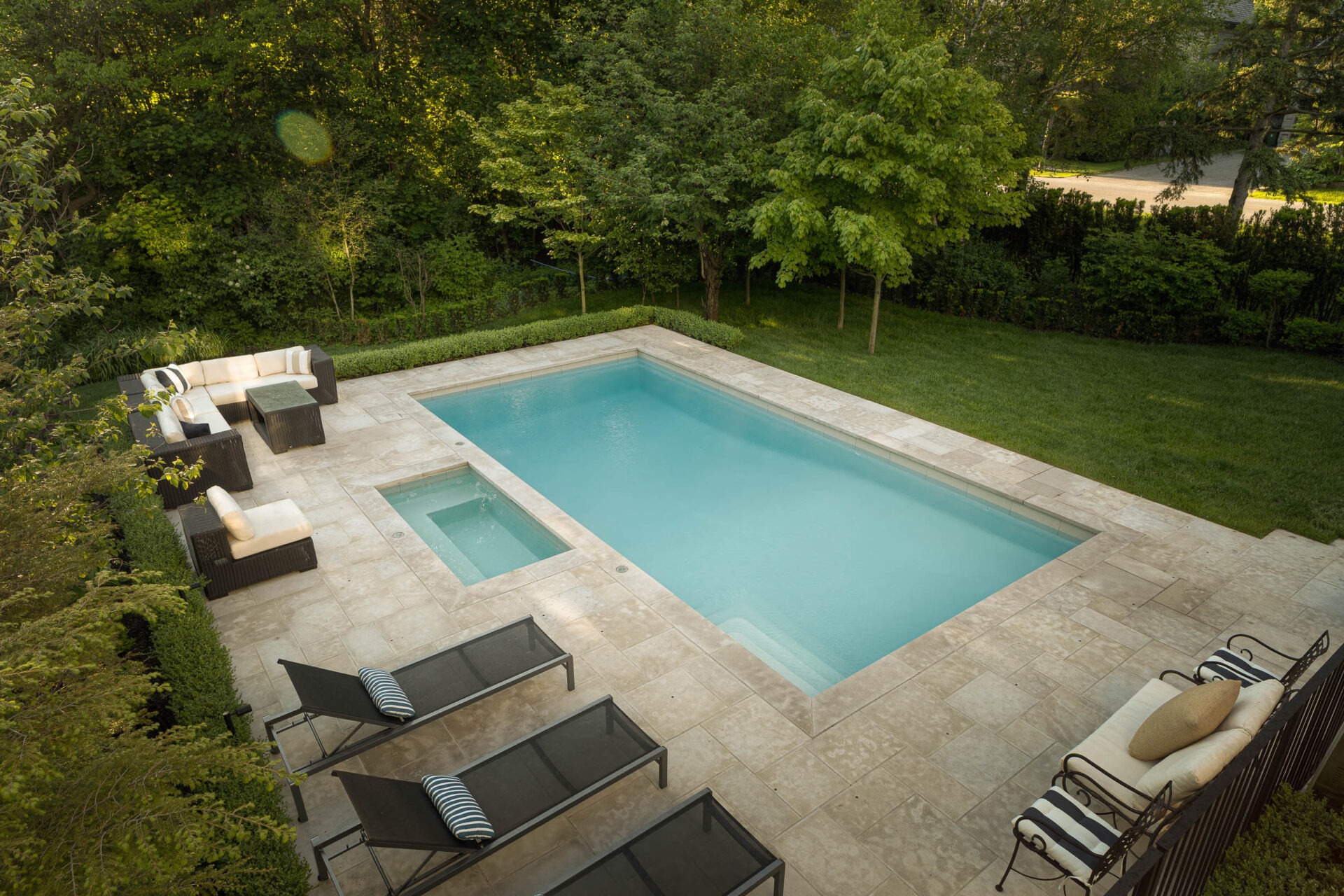
Pools and spas bring relaxation, but they also require careful integration with surrounding features. Informed hardscaping ideas consider safety, drainage, and access around these elements. Surrounding surfaces should be slip-resistant and designed to handle water runoff. Thoughtful placement of seating, pathways, and landscaping ensures easy movement, enhances aesthetics, and supports long-term maintenance.
Slip-resistant surfaces and proper grading help manage water. Surrounding hardscape ideas for backyards often include lounging areas and clear walking paths. They also need to keep a pool enclosure permit in mind. The area has to be totally enclosed with a gate and fencing. When materials and installation methods are chosen wisely, maintenance becomes more manageable over time.
Pergolas And Gazebos
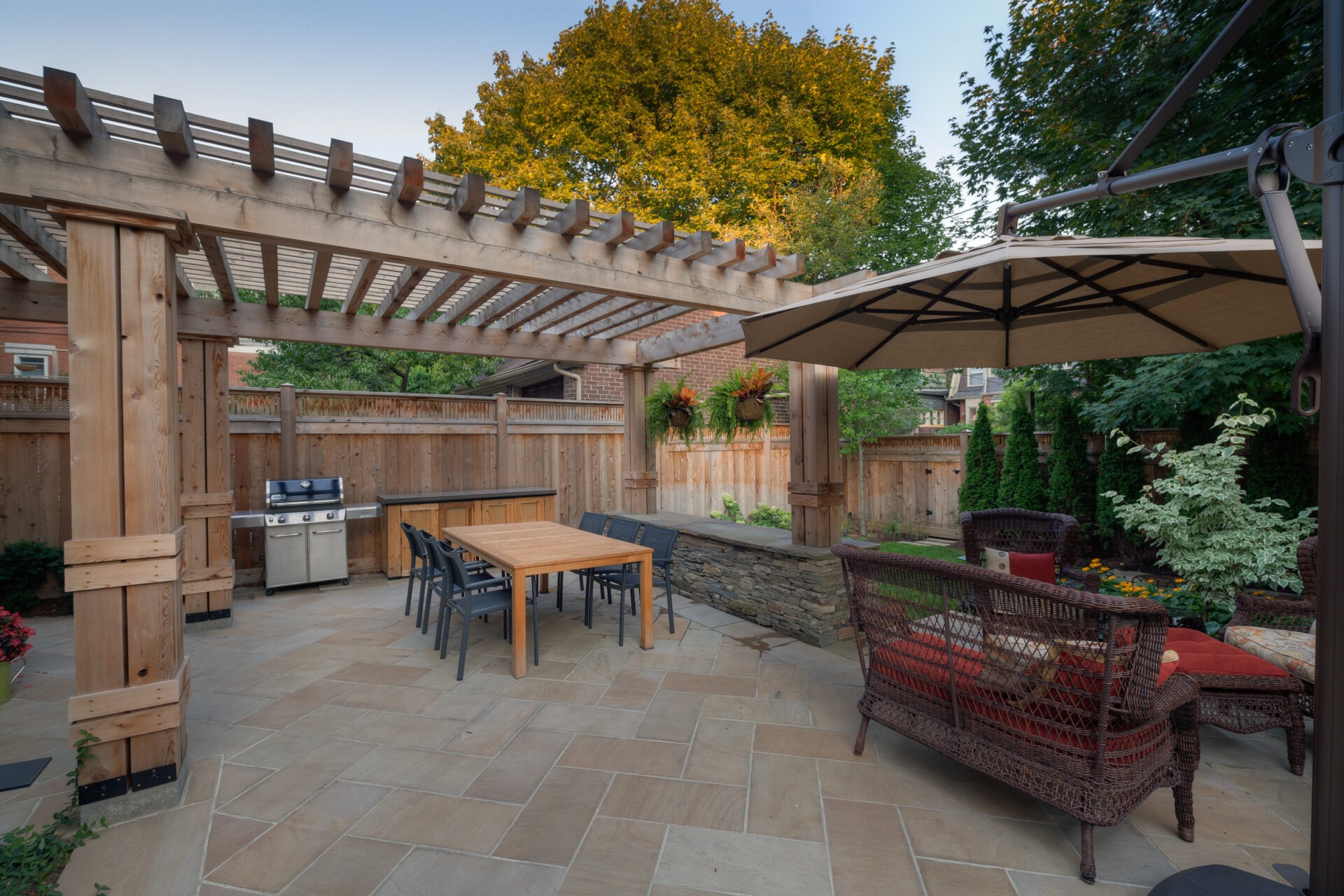
Shade structures add comfort and define outdoor rooms. When included in hardscaping ideas, pergolas and gazebos should align with the scale of your property. Proper placement considers sunlight, wind, and sightlines to maximize usability. Durable materials and secure anchoring ensure safety and longevity, while integration with patios or seating areas creates cohesive, functional spaces.
Footings, anchoring, and material choice affect stability. Wood, metal, or composite options each require different care approaches. Planning these structures alongside patios and walkways ensures consistent use and easier long-term upkeep.
Firepits and Fire Tables For Outdoor Gatherings All Year Long
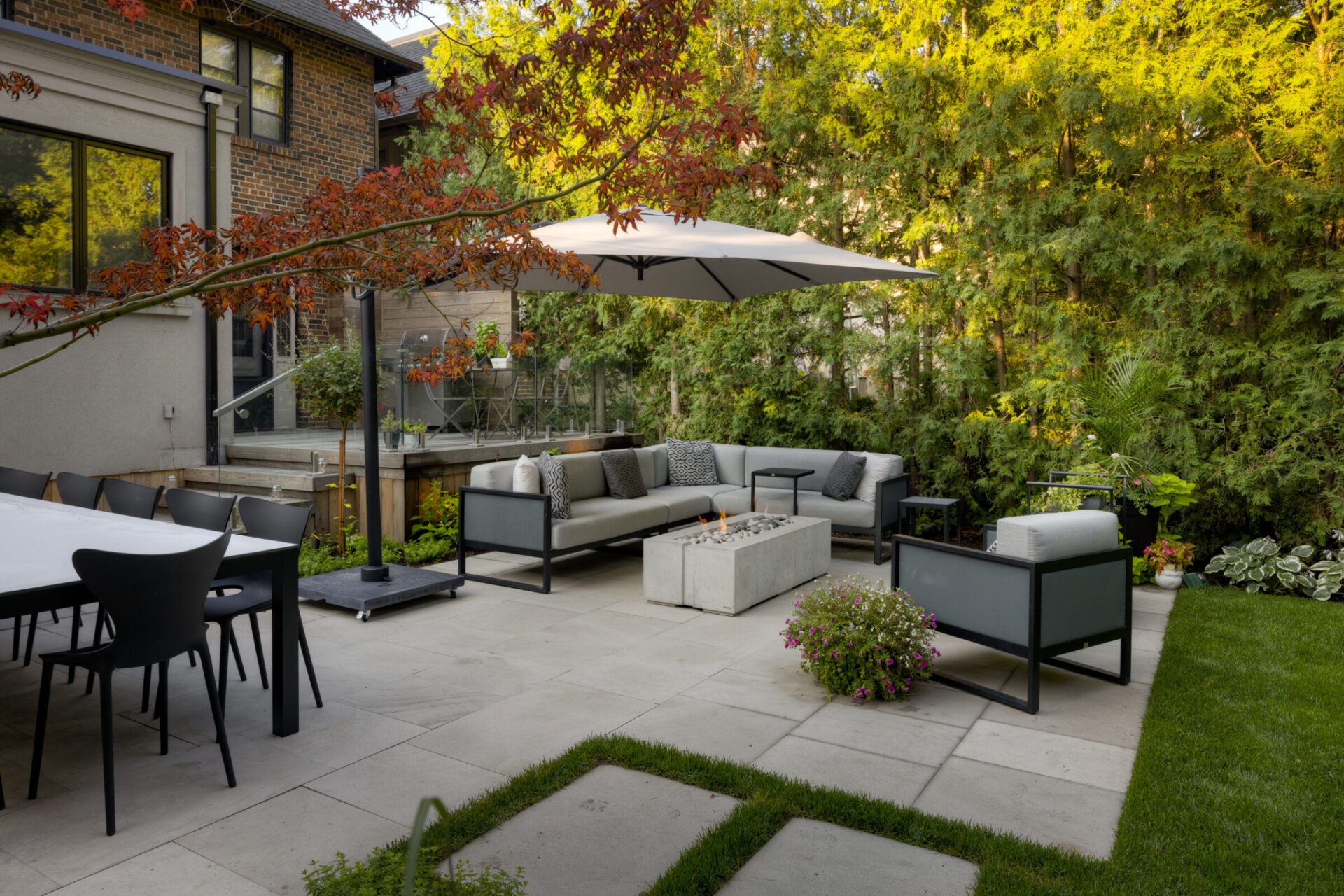
Enclosed firepits encourage year-round use of outdoor spaces. As part of balanced hardscaping ideas for yards, they should be placed with their role as a visual focal point in mind. It’s important to consider how you will frame your fire table or fire pit. Surrounding hardscape ideas for backyards often include seating and defined surfaces to manage foot traffic. These details support safe enjoyment through changing seasons.
How Outdoor Lighting Increases Your Time Outdoors And Adds Safety
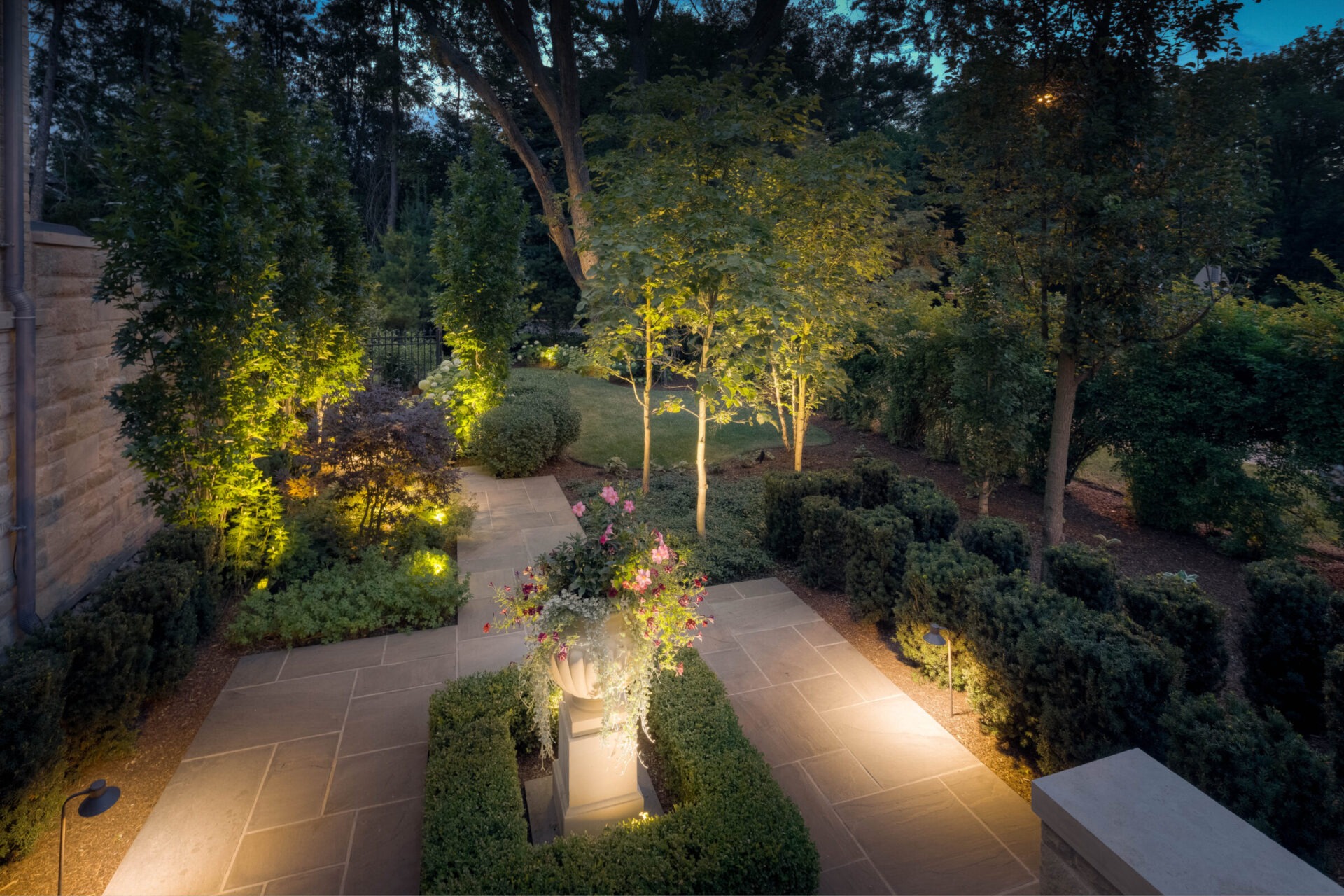
Lighting extends usability while improving visibility. Within hardscaping ideas, it supports safe movement and highlights key features. Strategically placed lights along paths, steps, and seating areas enhance safety after dark. Low-voltage or LED options provide energy efficiency, and thoughtful placement can accentuate landscaping elements, creating an inviting atmosphere while reducing maintenance needs.
Low-voltage lighting along paths, steps, and seating areas reduces risk after dark. Well-placed fixtures also make winter evenings more manageable. Thoughtful installation minimizes glare, increases outdoor usage and appeal throughout the year, even in winter, makes the yard visible from your indoors so guests can appreciate it even when you’re indoors, and simplifies maintenance, reflecting principles found in long-term landscape planning resources.
Multi-Use Courtyard Hardscaping For Townhomes, Condos, And Terraces
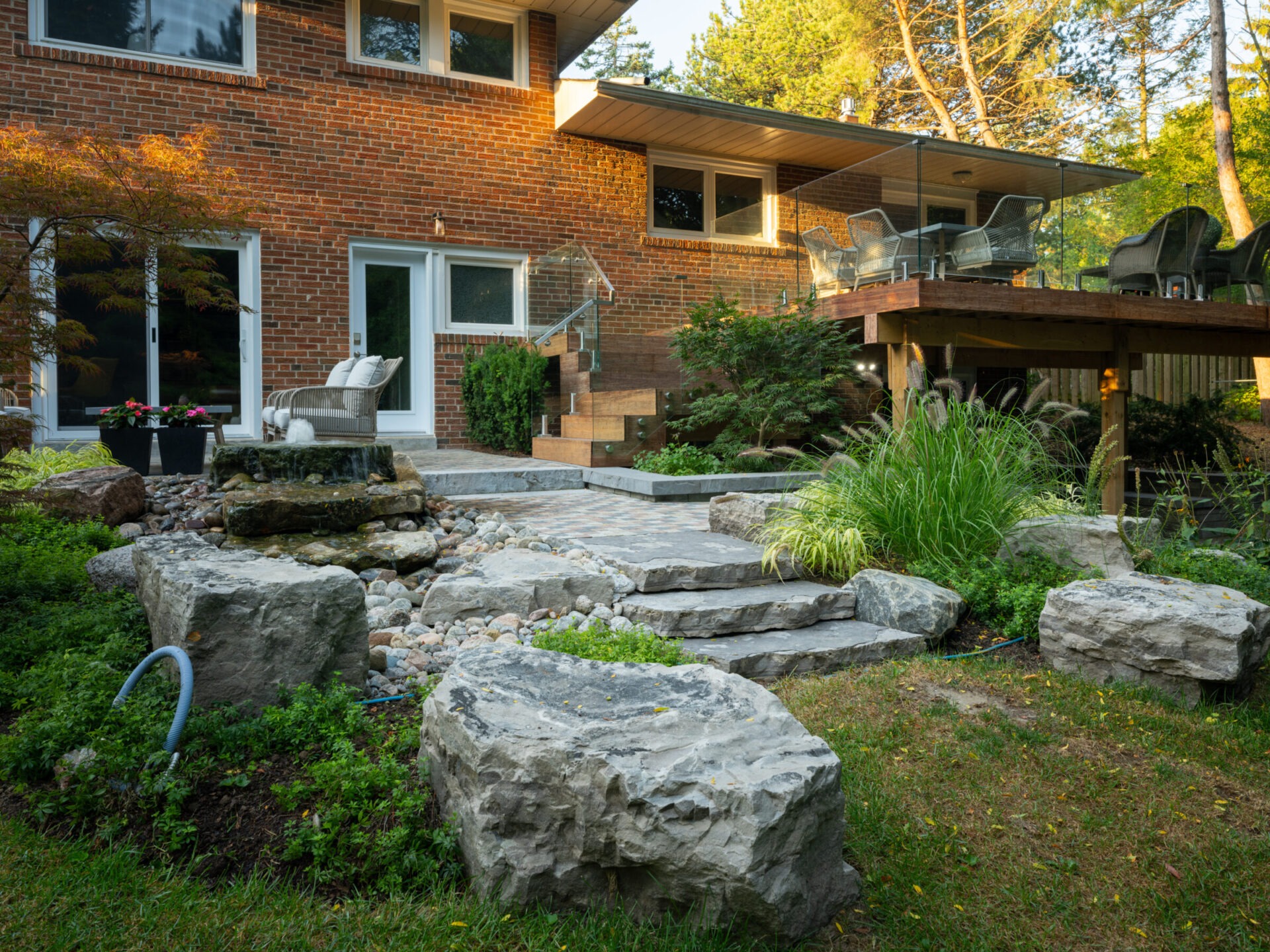
Smaller spaces require careful planning. Hardscape design ideas for townhomes focus on efficient layouts that support multiple functions.
You benefit from vertical elements like seat walls and planters that define space without crowding. Light-coloured pavers reflect light and reduce heat buildup. Integrated drainage keeps surfaces usable after rainfall.
These hardscaping design ideas show that size does not limit function. With the right layout, compact courtyards support dining, lounging, and circulation comfortably.
Low-Maintenance Hardscaping For Busy Households
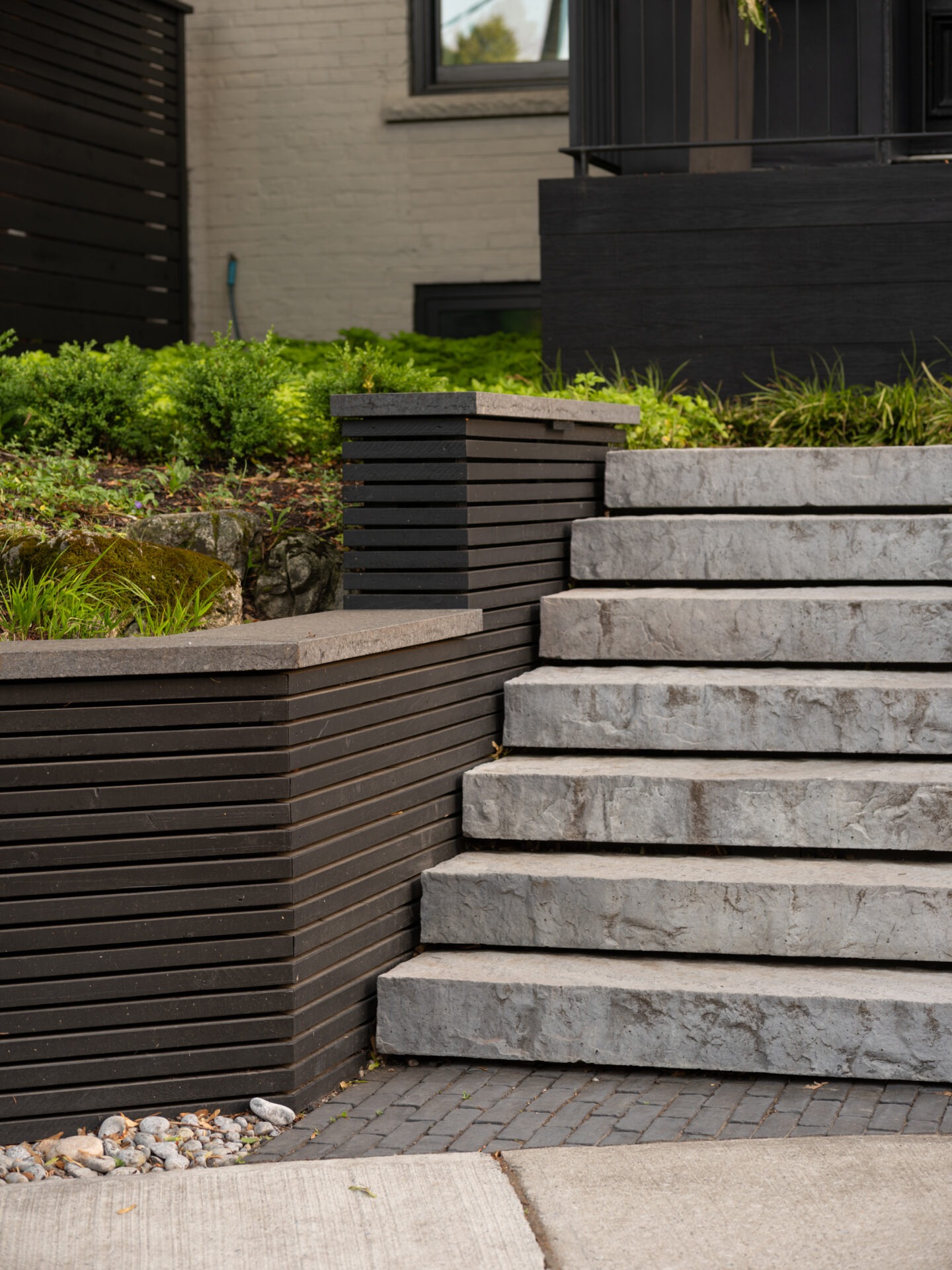
Time matters. Low maintenance hardscaping ideas reduce upkeep while preserving structure and appearance.
You get fewer weeds with polymeric sand joints. Durable materials resist staining and surface wear. Consistent slopes prevent pooling that leads to algae growth.
Choosing proven installation methods matters as much as material choice. Quality workmanship ensures that surfaces remain stable, reducing the need for frequent adjustments.
These principles align with practical backyard hardscape ideas that fit active schedules.
Enhancement-Ready Hardscaping That Grows With You
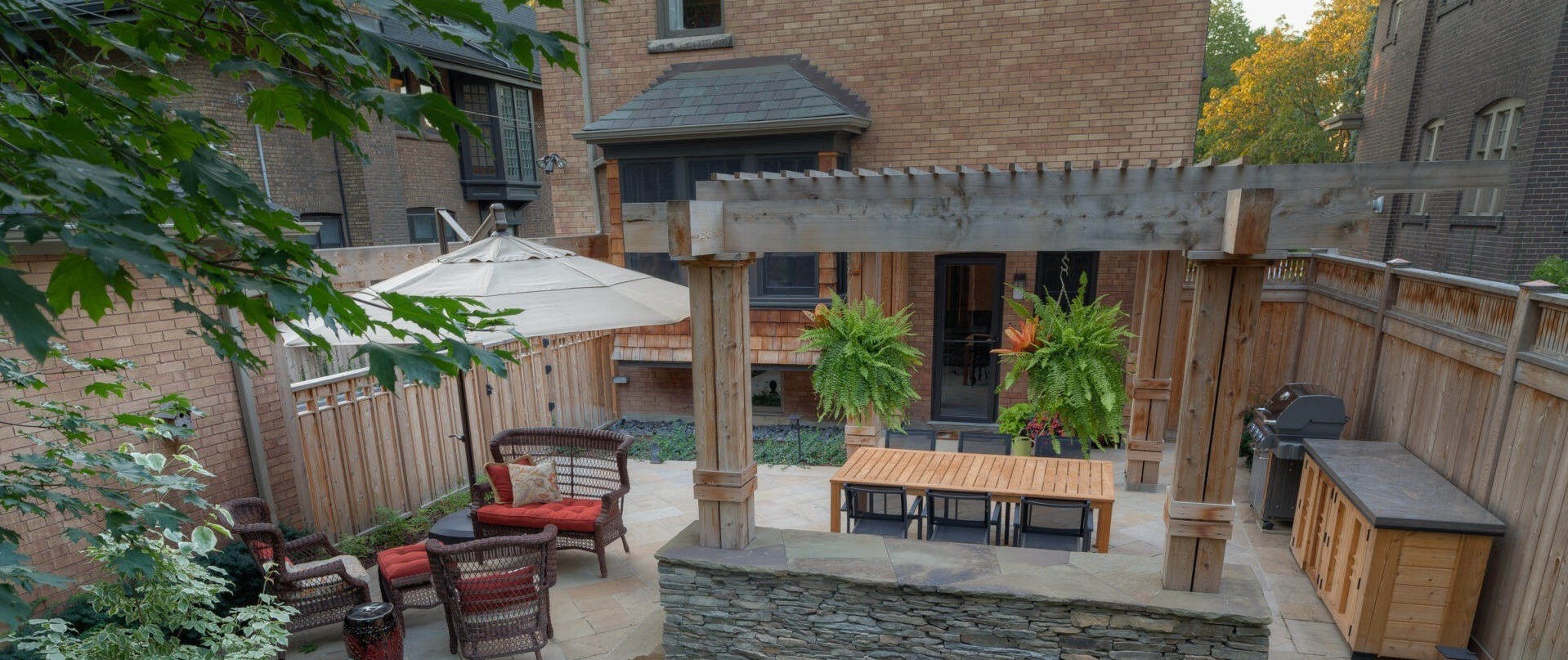
Your needs change over time. Planning hardscaping ideas for yards with future enhancements in mind protects your investment.
You may add lighting, seating, or planting later. Leaving conduit pathways and structural allowances simplifies updates. Neutral base materials adapt to new features without requiring full replacement.
This approach supports thoughtful growth rather than rushed changes.
Hardscaping Designed To Work With Ongoing Maintenance
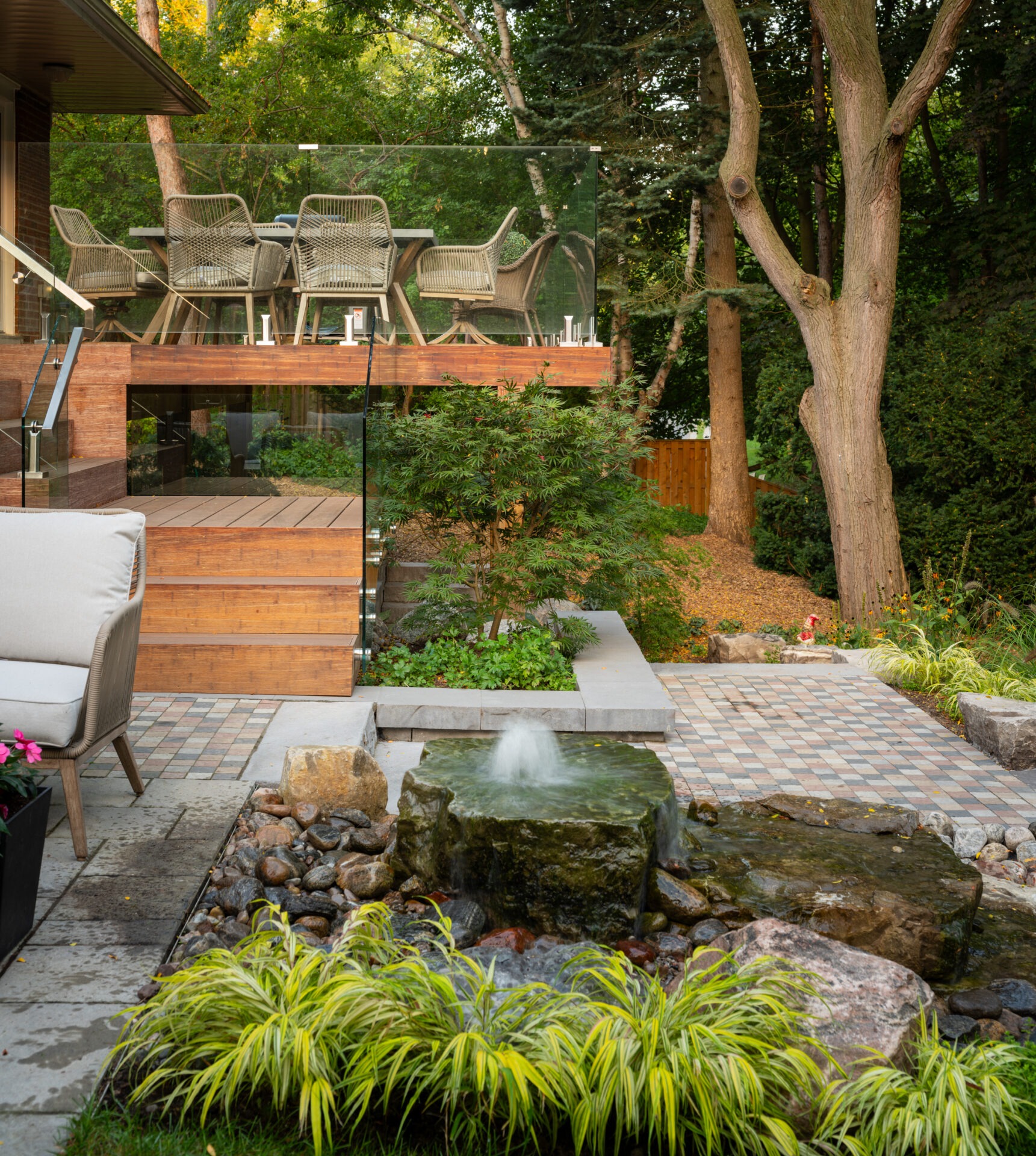
Hardscape and maintenance should work together. Surfaces that allow easy access for seasonal care reduce wear on lawns and gardens.
Clear edges protect planting beds. Stable walkways support equipment movement. These hardscaping ideas for yards contribute to overall property health rather than competing with it.
Long-term care depends on details you may not see at first. Proper grading, jointing, and material choice support consistent performance across seasons.
Bringing Structure And Comfort Together

Thoughtful hardscaping improves how you live outdoors by supporting movement, gathering, and long-term care. When planned with experience and attention to detail, these ideas create spaces that remain useful year after year.
If you are considering next steps, book a consultation to explore personalized hardscaping solutions, discuss material options, and plan your outdoor space efficiently.
Summary
This guide explored practical hardscaping ideas for yards that support everyday use, safety, and long-term durability. From patio hardscaping ideas and walkway hardscaping ideas to retaining wall hardscape ideas, each section focused on structure and care. You also reviewed hardscape design ideas for townhomes, hardscape ideas for backyards, and low maintenance hardscaping ideas suited to GTA homeowners seeking reliable outdoor spaces.
Tags: